
Telecommunications
& Infrastructure
About His Work
Building Infrastructure for People and Communities
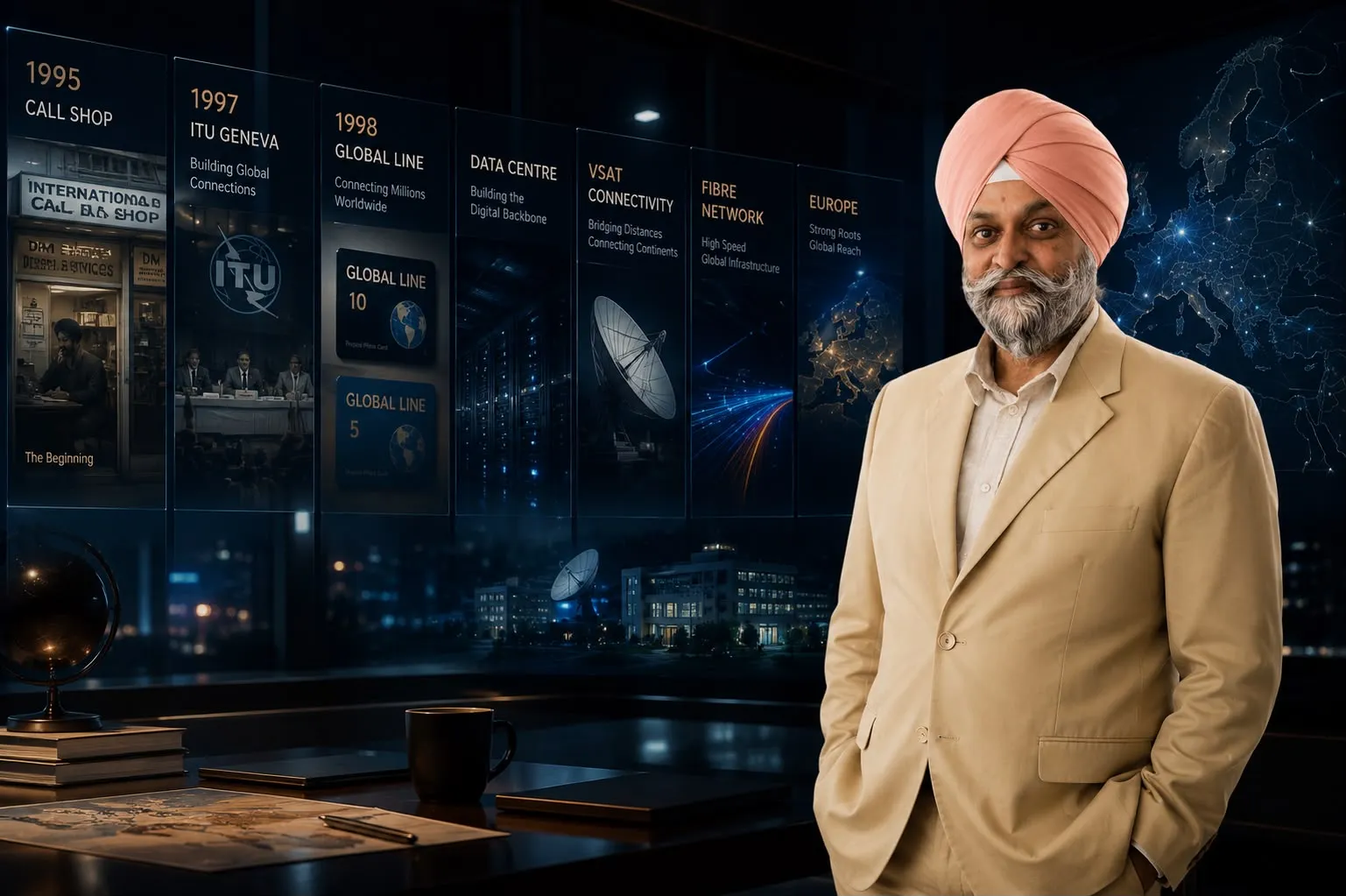
Ranjit Singh Masuta's journey in Switzerland began with entrepreneurship in Basel, where he identified a gap in affordable international telecommunications for immigrant communities. What followed was a decades-long career building infrastructure — first in telecom, then in community institutions — that would connect people, preserve culture, and drive lasting social value.
Over the years, this work expanded beyond business. His involvement in community development helped strengthen Sikh identity in Switzerland through institution-building, dialogue, and long-term stewardship including contributions toward establishing permanent community spaces and cultural continuity. Across both domains, a consistent principle remains: systems matter. Whether technological or social, they must be built to last.
Telecommunications & Infrastructure Leadership
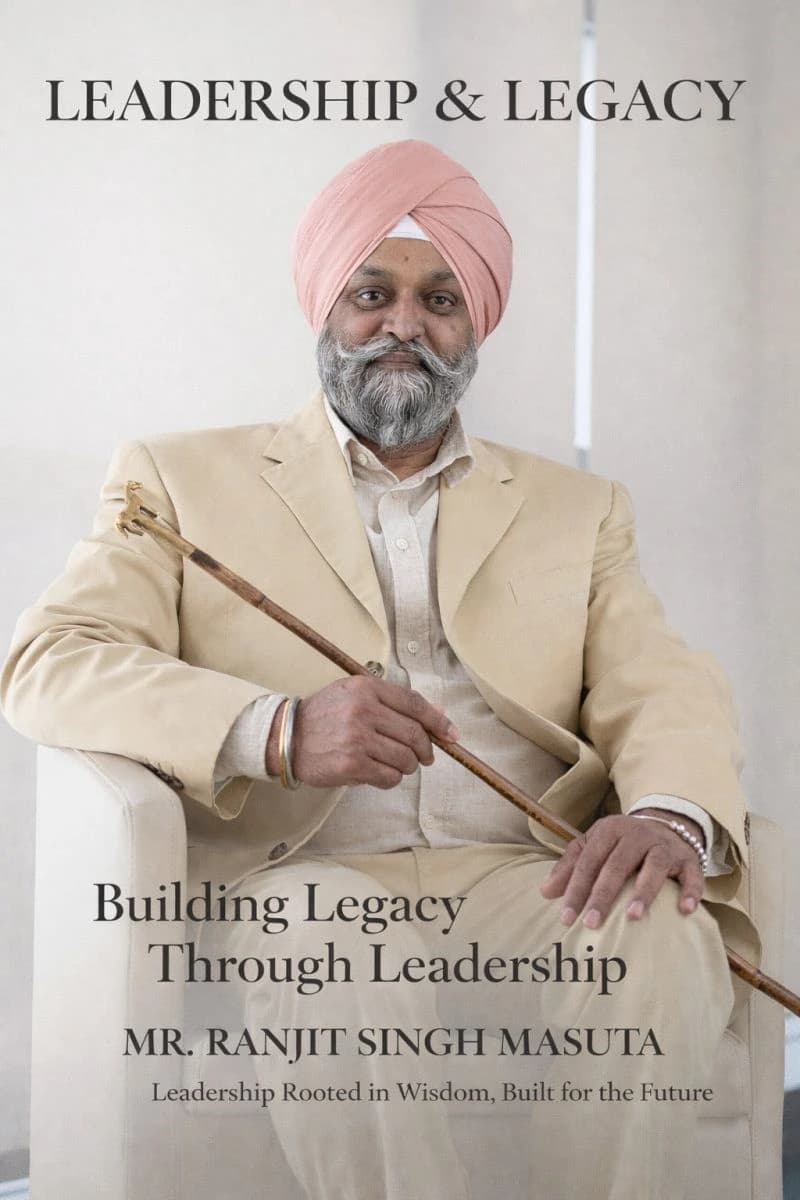
Played a pioneering role in the Swiss telecommunications sector, contributing to the development, management, and growth of technology-driven enterprises with a focus on reliability, scale, and long-term value.
Areas of Influence
Active across Switzerland, Europe, and global Sikh diaspora networks — bridging business, community leadership, and cross-border collaboration.
Community Impact & Engagement
Long-standing involvement in strengthening the Swiss Sikh community through leadership, representation, and service-oriented initiatives across Switzerland.
Leadership Roles & Responsibility
Held senior leadership and advisory roles across business and community institutions, emphasizing governance, accountability, and sustainable growth.
Building Community. Connecting Worlds. Creating Impact.
Ranjit Singh Masuta’s journey began with entrepreneurship in Basel and grew into a pioneering role in telecommunications, making global connectivity more accessible in the 1990s. His work in telecom evolved from early call-shop solutions to expanding international communications infrastructure, partnering with global carriers and introducing innovative communication services across Europe.
Beyond industry, his efforts helped shape community identity in Switzerland including initiating the establishment of the first traditional Sikh Gurdwara Sahib in Langenthal, a cultural landmark for Sikhs in Europe.
His values arise from a belief that technology, community, and culture can coexist and strengthen one another, bridging borders, backgrounds, and aspirations.
- Active contributor to Sikh community development in Switzerland
- Advocate for cultural understanding and social harmony
- Trusted figure across community, business, and civic circles
The 1990's: A Decade of
Telecommunications Revolution
The 1990's was a decade for the world of telecommunication. Everything in the Western World the United States and Europe was evolving in some way by this technological revolution, GSM mobile phones for the first time were available for many who were from America & Europe, and the innovation of this technology was available at a cost to the public where the caller and the receiver had to pay a price per minute which was initially set by regulators & the licence mobile operators in those regions.
In the year of 1995 making a long-distance phone call from western Europe to the rest of the world was expensive and this was due to telecom companies holding monopolies that allowed the incumbent operators to charge high rates. The EU Commission pushed for market liberalization to drive down the prices.
Early Entrepreneurial Journey
of Mr. Ranjit Singh Masuta
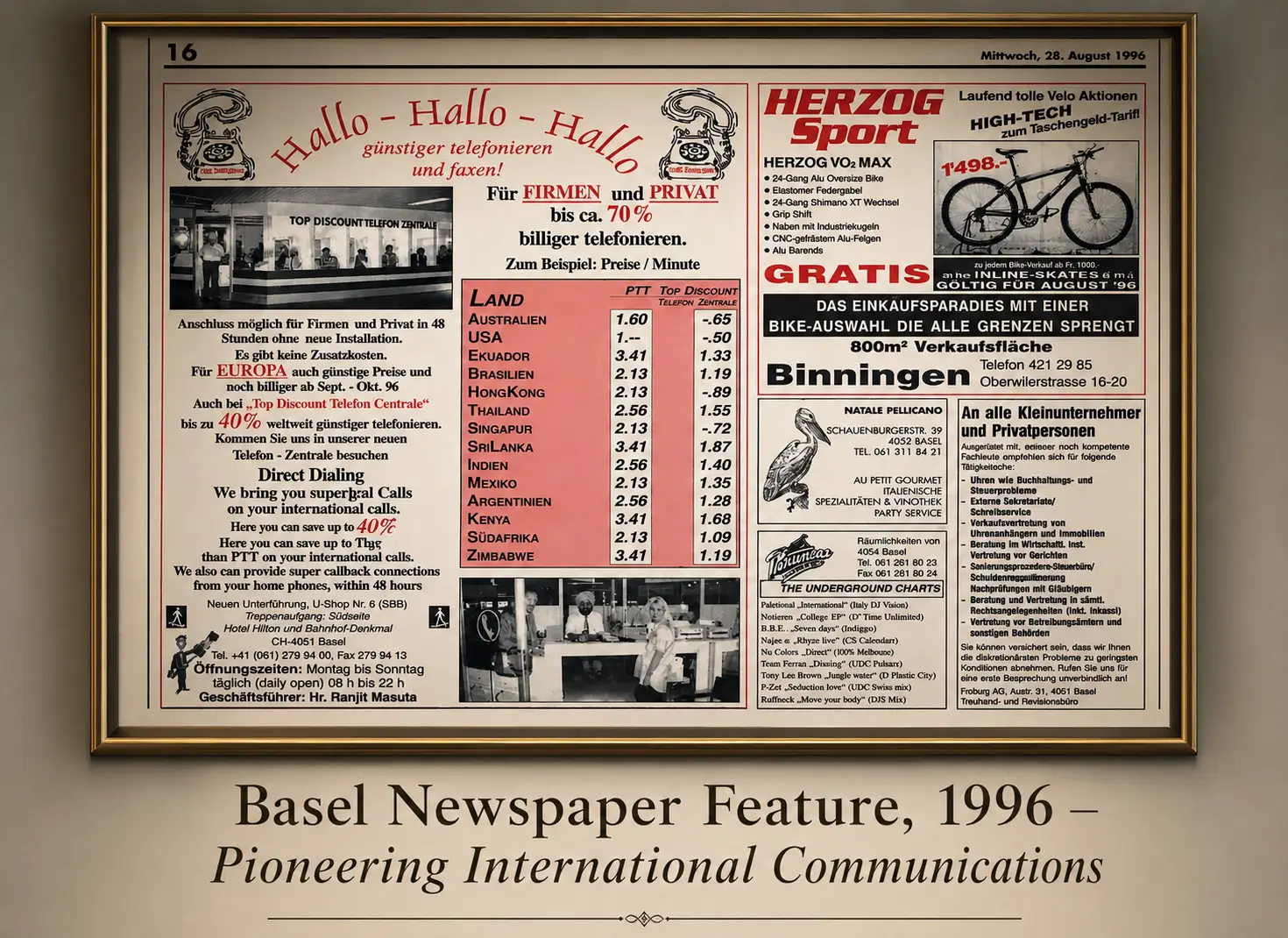
During this period of time a young Sikh Gentlemen Mr. Ranjit Singh Masuta a resident from Basel / Switzerland who was initially involved in trading scrap metal business, this initiated him to make international calls to several destinations making direct calls via mobile phones were very expensive therefore he used another method known as callback service that reduced the calling cost per minute and increased the calling time while he was saving money for international telephone calls an idea was born to introduce the similar services to the public by developing a software for the Telephone Shops also known has call shops with cabins in main cities in Switzerland and rest of the neighboring European cities. This helped many of the cosmopolitan residents and the tourists to walk in and make discounted long-distance telephone calls at an affordable price to their families, friends and business clients living in APAC, Africa, LATAM, CALA Region, EU, Middle East & to the USA.
Establishment of D.M Enterprise Telephone Shop
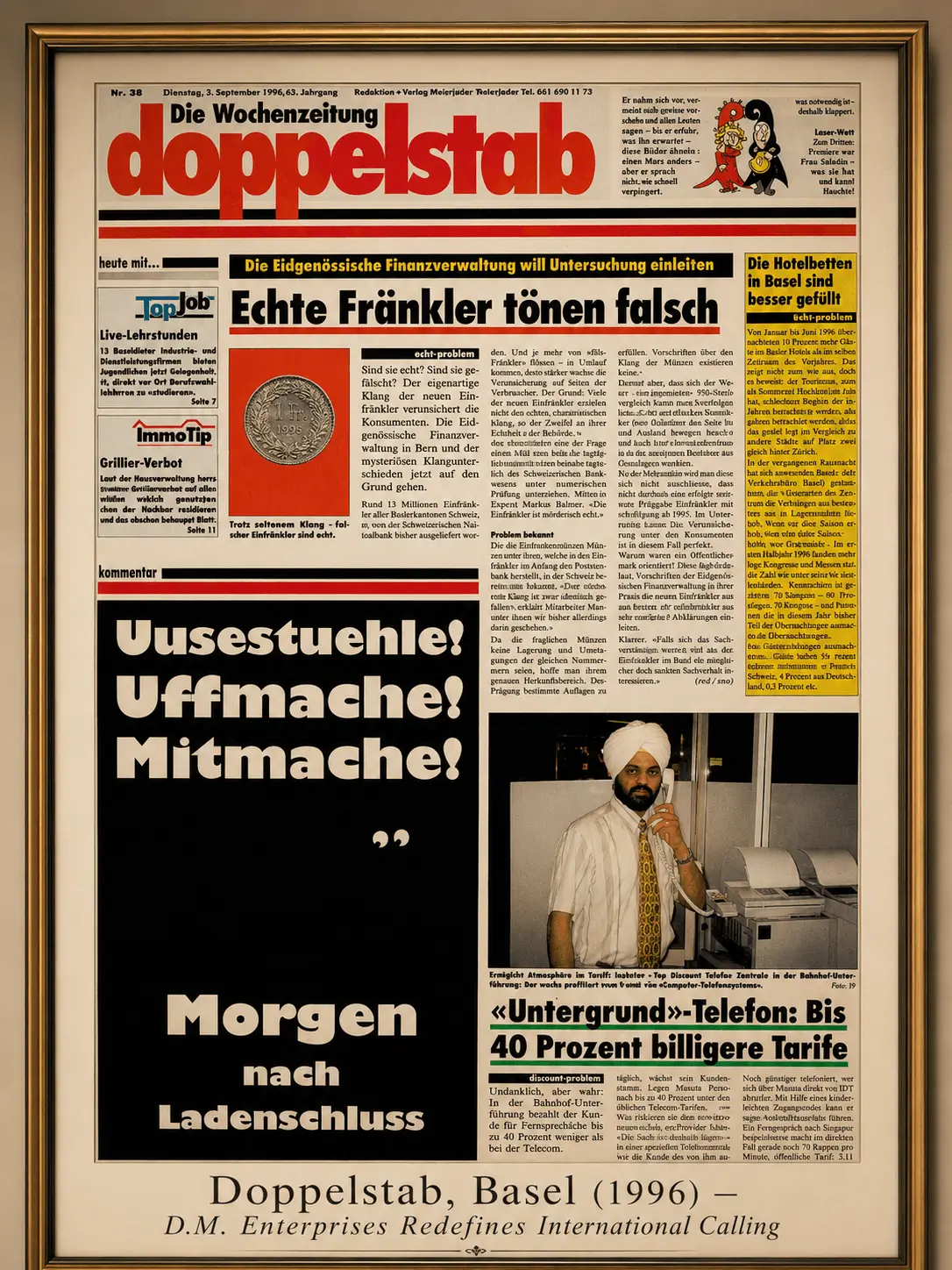
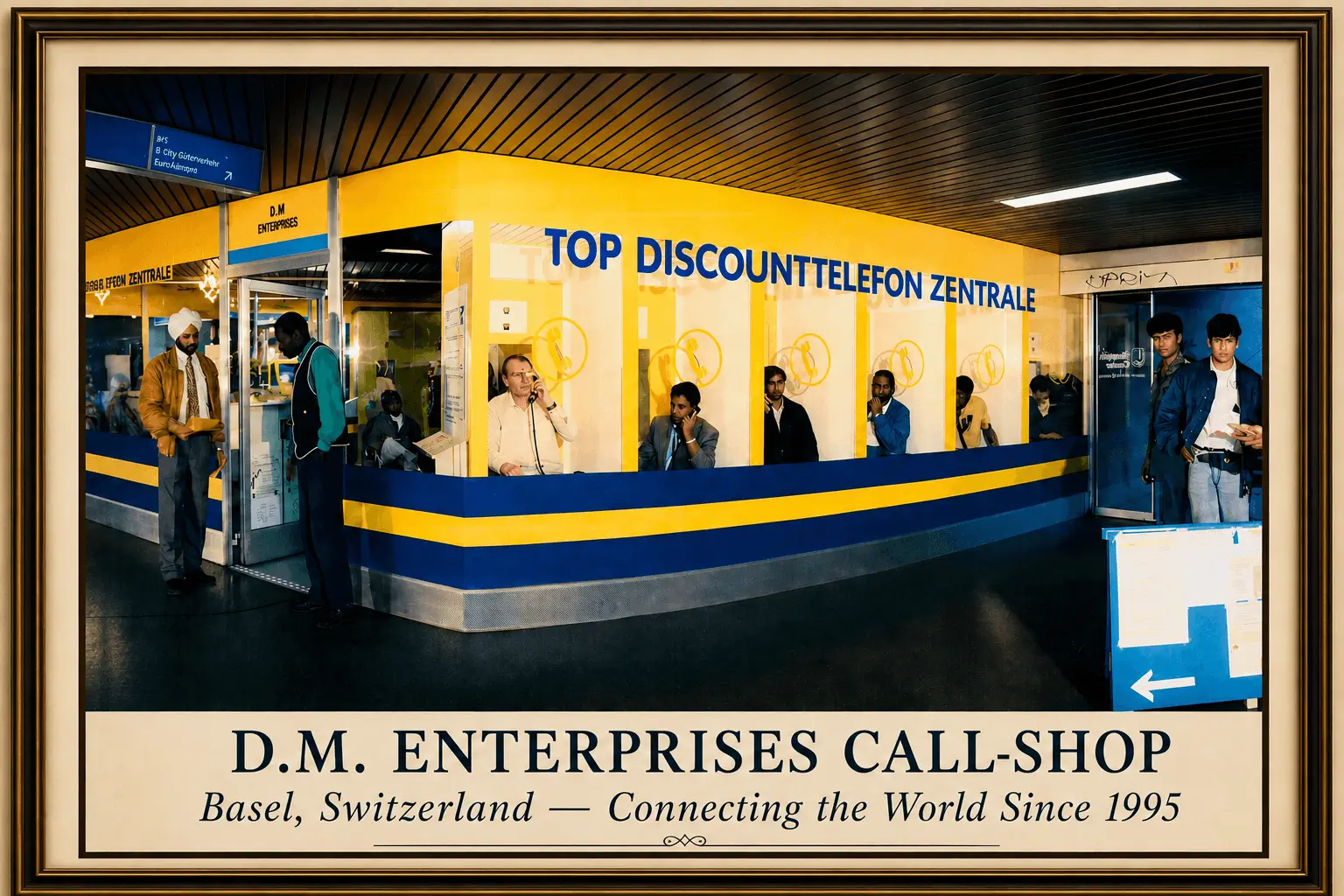
D.M Enterprise GmbH Telephone shop was first of its kind to be opened in 1995 at SBB Bahnhof Basel Unterführung ( Basel Railway Station underground). The Discount International Telephone shop consisted of 12 wooden cabins which were designed for the customers to dial and have a relaxed conversation to their home countries. The need for making a discount long distance international calls was on the rise and therefore the second call shop was opened at Claragraben, Basel from there onwards branches were opened in Basel and other commercial and touristic cities throughout Switzerland. The call shops had its own real time billing software which helped the customers to see the name of the calling country, dialed number, call begin, Call end duration of minutes plus seconds spoken and the total amount. The Call-Shop Solutions and Real Time Billing Software was developed by Mr. Roland Schenk & Team from AVC Schenk & Biesuz GmbH based in Switzerland
Recognition and Collaboration with U.S. Companies
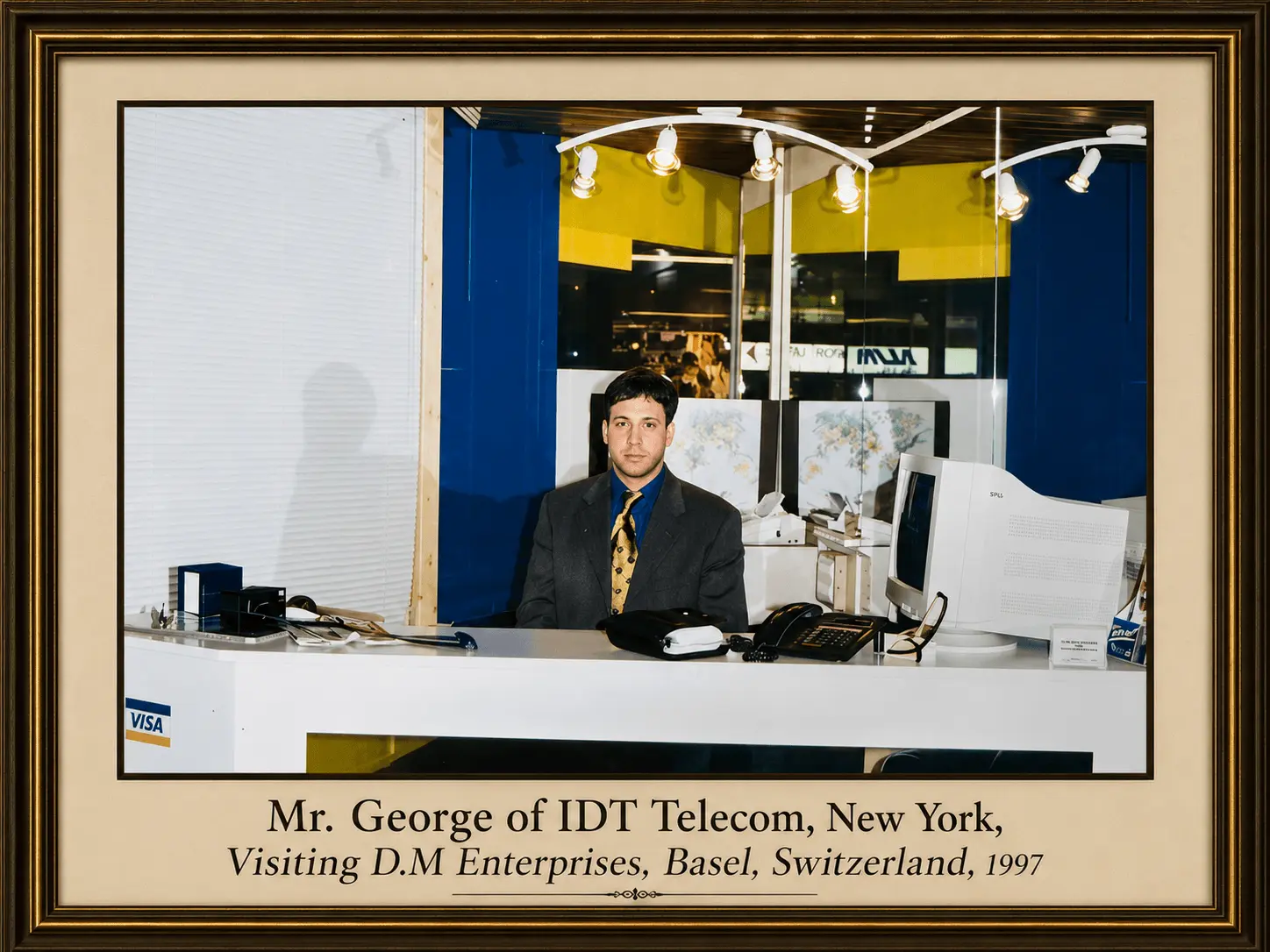
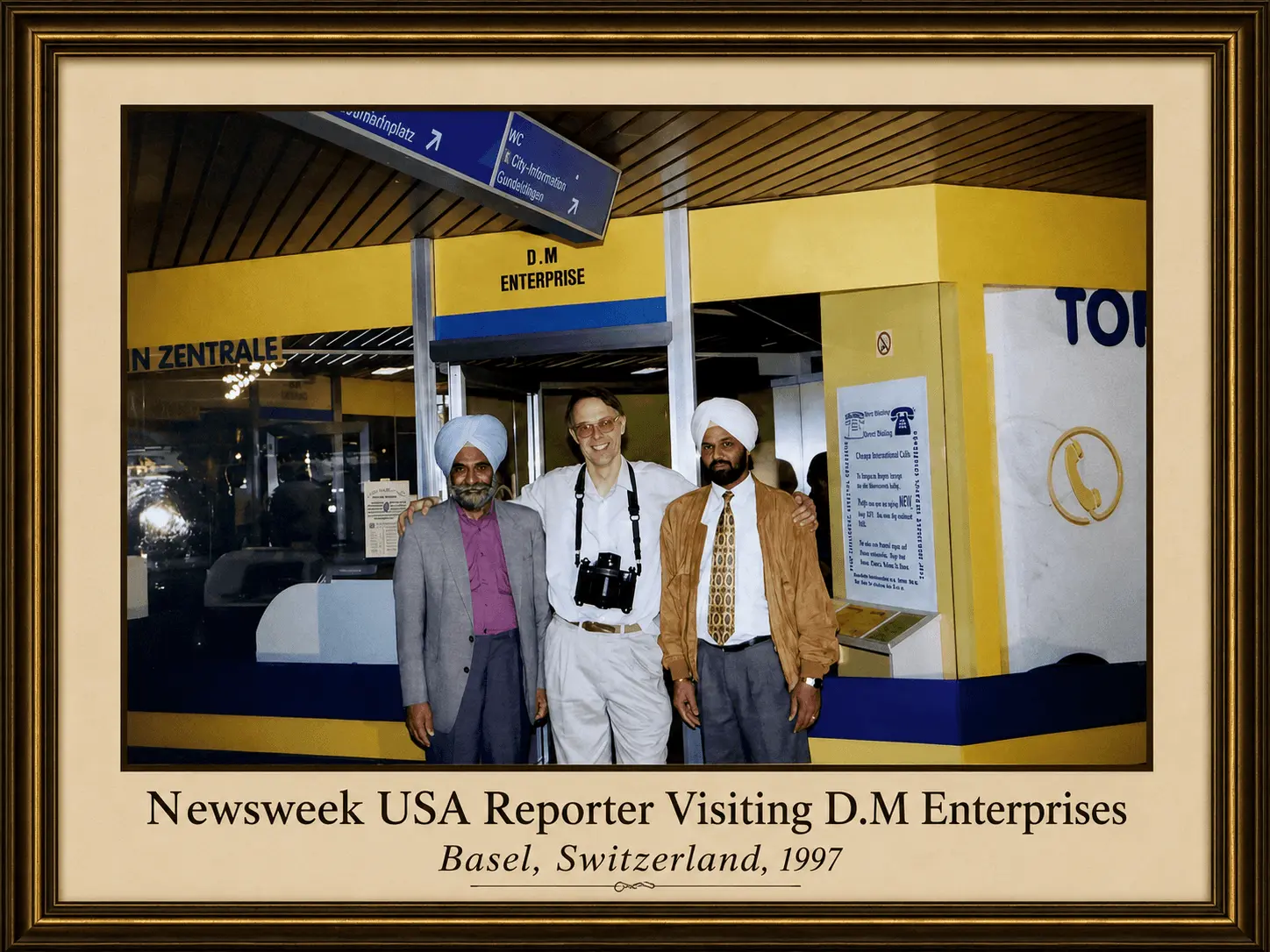
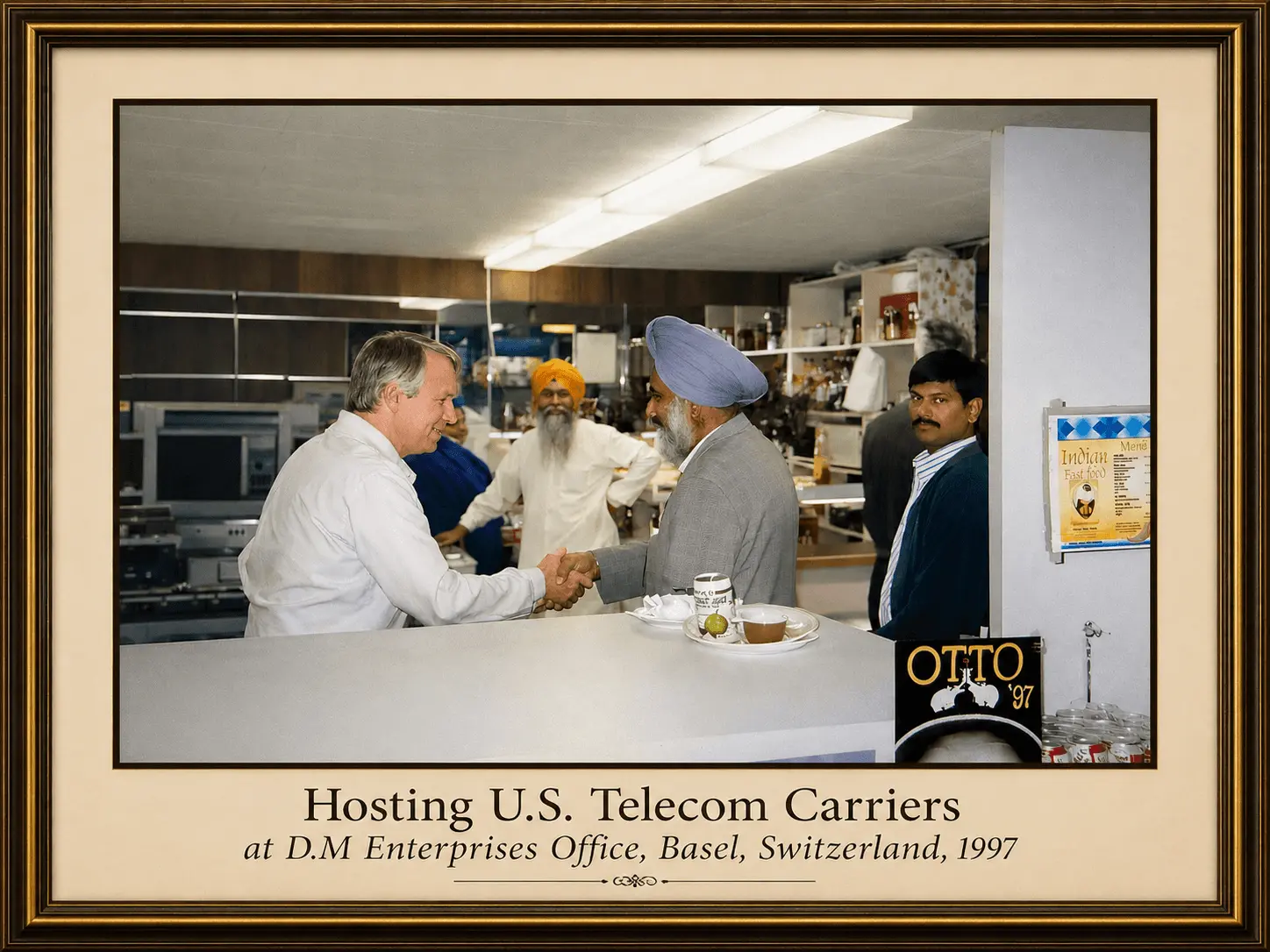
Once the Long Distance Int'l Discount Telephone Shop became a success model the US based Telecom Carriers visited Switzerland and after meeting Ranjit Singh Masuta who was the early starter in call shop solutions they wanted to have a joint venture operations of the identical discount Telephone shop model with cabins and call shop solutions in the USA and Europe. This idea and partnership model between the US based Telecom Carriers and Mr.Ranjit Singh Masuta was published in a news article called Newsweek Magazine USA in the month of 1997.
Newsweek USA (1997) — Swiss Telecom Innovation Gains International Recognition
%20%E2%80%94%20Swiss%20Telecom%20Innovation%20Gains%20International%20Recognition%2FIMG_9988-1.webp&w=1920&q=75)
%20%E2%80%94%20Swiss%20Telecom%20Innovation%20Gains%20International%20Recognition%2FIMG_9990-3.webp&w=1920&q=75)
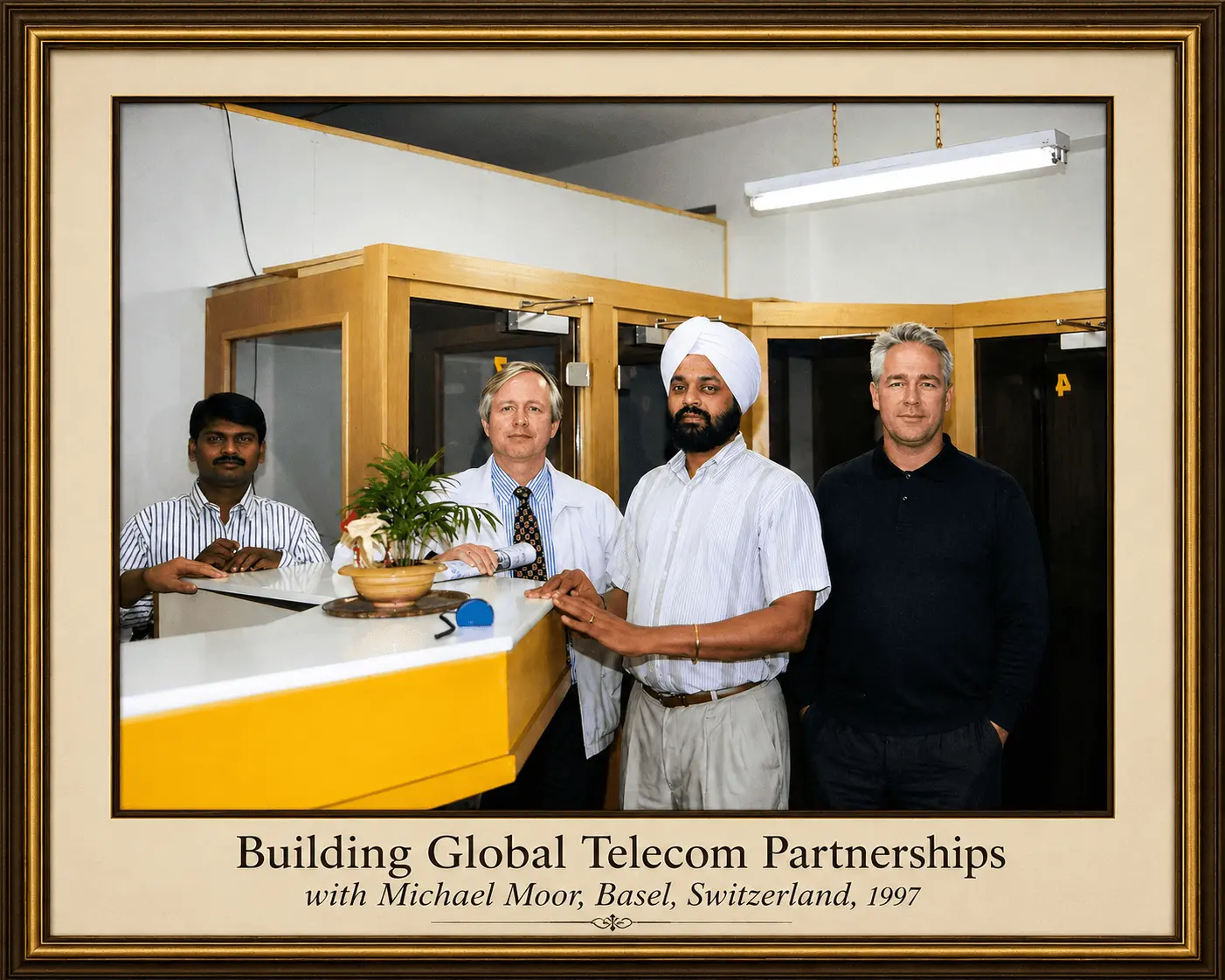
Global Link Expansion & International Telecom Partnerships, Basel, Switzerland, 1997
Mr. Ranjit Singh with Michael Moor and Team from USA Global Link during a business visit at our Call-shop in Claragraben Basel Swiss 1997
Participation at ITU Telecom Interactive 97
In 1997, the International Telecommunications Union (ITU) based in Geneva, Switzerland held the ITU Exhibition which was called "TELECOM Interactive 97". The event took place from September 8 to 14, 1997. It was described as the "world's first interactive multimedia forum and exhibition". D.M Enterprises of Switzerland had the opportunity to directly register with ITU and participate in the Forums & Exhibition. This was an eye opener for us by meeting various companies and innovative people to explore more on the Telecommunications related subjects. A key focus was the Internet and its relationship with the telecommunications industry. The ITU published a report to coincide with the exhibition titled Challenges to the Network: Telecoms and the Internet 1997. There were 215 exhibitors from sectors including telecommunications, computing, broadcasting, and entertainment. The event attracted 20,000 plus telecommunications professionals. In addition to corporate and national pavilions, the exhibition included a cybercafé and a cyber-forum for discussions.
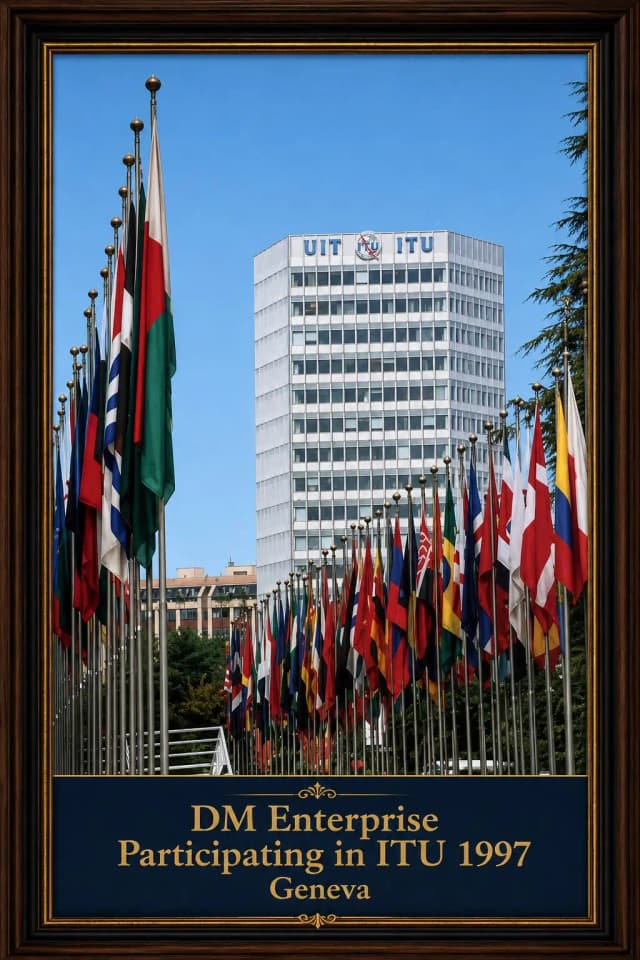
Telecommunications Liberalization in Switzerland
European regulations required that the liberalization of the national Telecommunications market in most European countries completed on 1 January 1998. In Switzerland the end of the PTT monopoly process began with the Telecommunications Enterprise Act of 1997, which fully deregulated the Swiss market for telecommunications. This legislation dissolved the PTT, the state-owned Postal, Telephone, and Telegraph services that had existed since 1920. Effective January 1, 1998, the PTT was officially split into two separate, state-owned companies Swisscom Ltd-The new, publicly limited telecommunications company that would operate in the liberalized market and Swiss Post-The separate institution responsible for postal and financial services. Switzerland's mobile phone network was digitized under the name NATEL D in 1992, and by 1997, digital GSM service was widespread. This provided a foundation for the significant growth that followed deregulation.
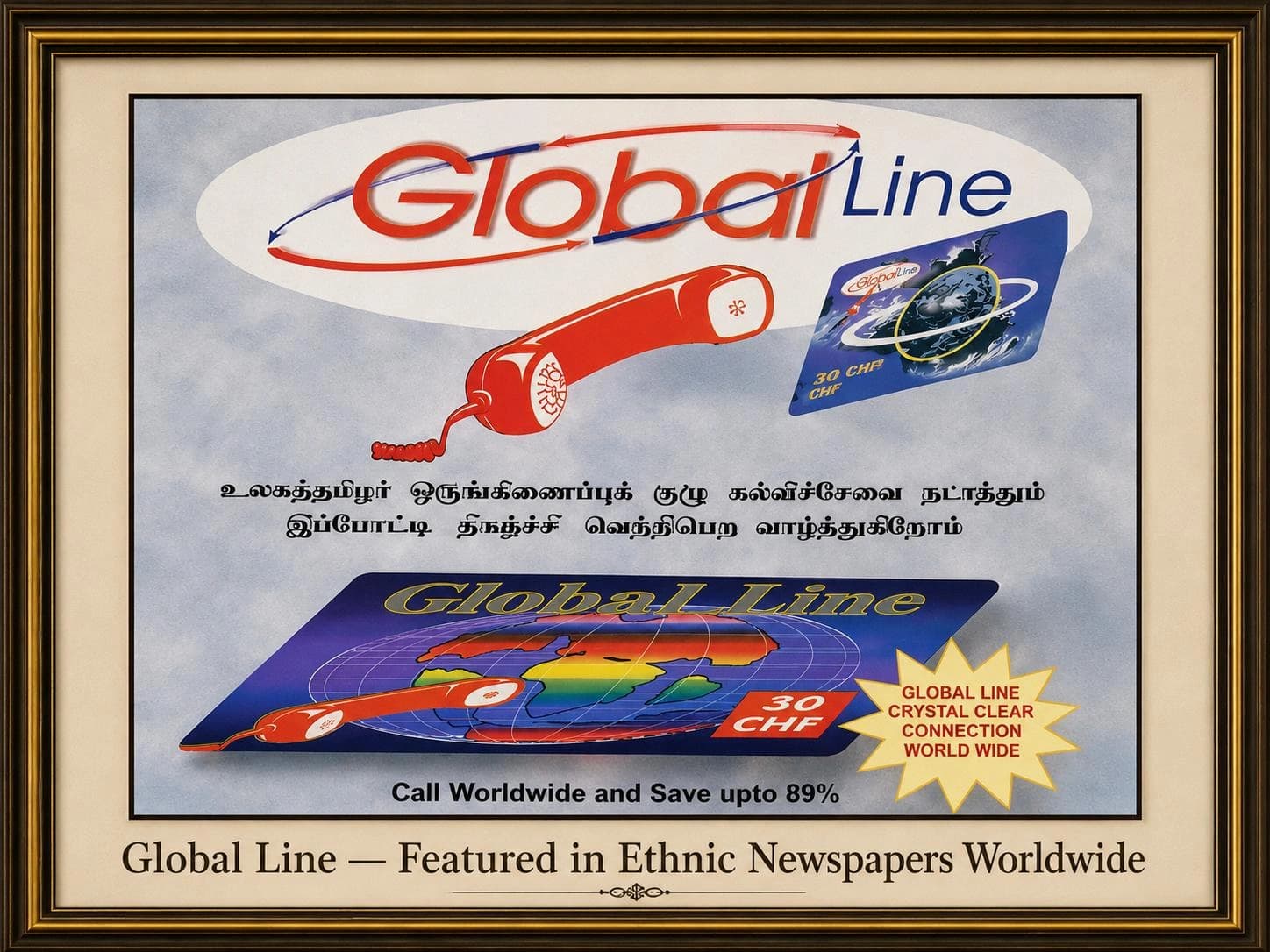
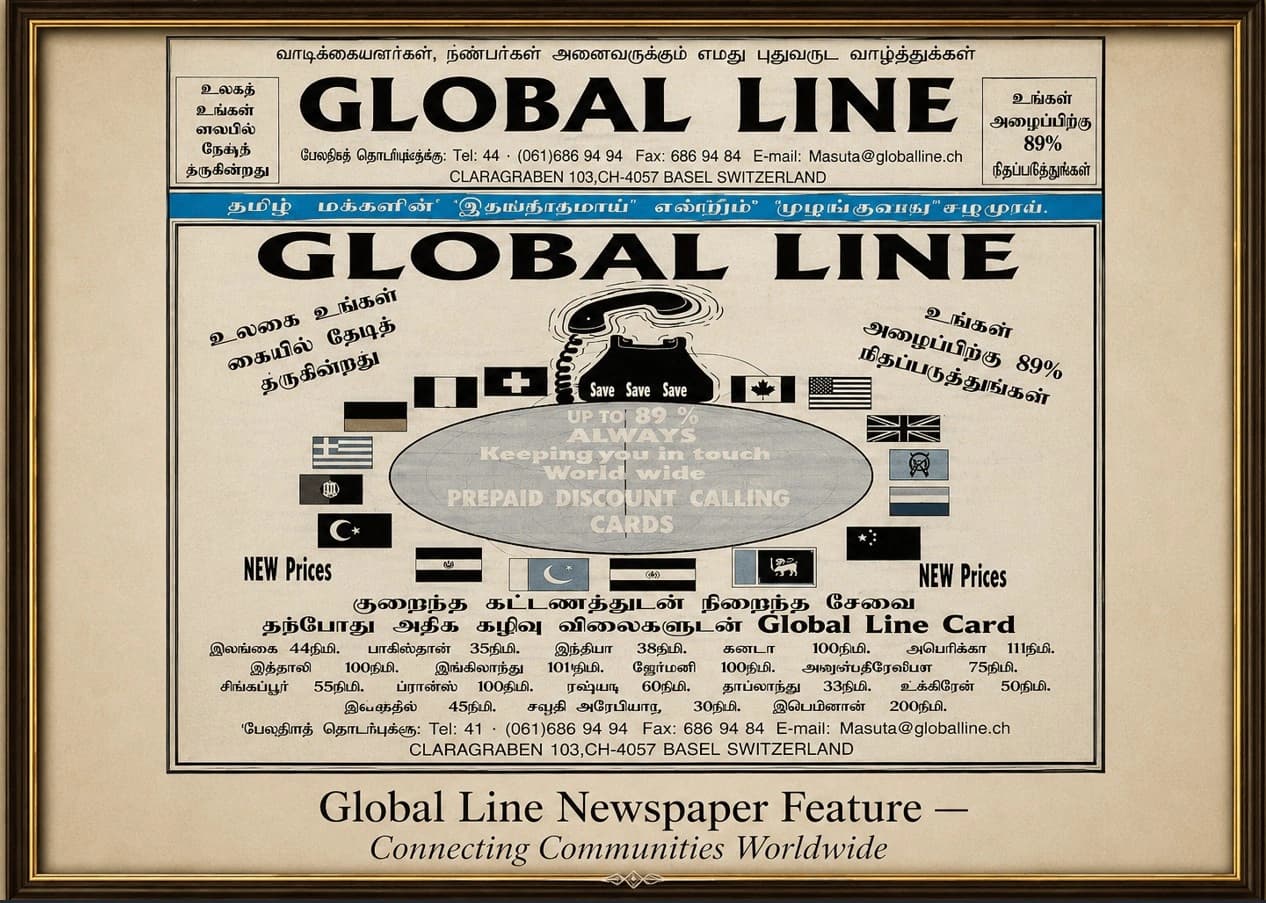
Global Line Holding's Participation at TELECOM 99
Global Line Holding of Switzerland had the opportunity to directly register with ITU and participate in the Forums & Exhibition this was an eye opener for us by meeting multiple companies who was engaged in wireless Communications, Mobile device manufactures from Japan & S.Korea, Pre-Paid Calling Cards & Telecom Carrier Switch vendors, Incumbent operators, Tier one carries, Telecom Regulators and VVIP guests from different parts of the world. By attending the Telecom 1999 forum we had the opportunity of witnessing the Interactive Summit opening which was marked by keynotes from Bill Gates, Chairman and CEO of Microsoft Corporation, Seiko Noda, Member of Japan's House of Representatives, and Larry Ellison, Chairman and CEO of Oracle. Jorma Ollila, President and CEO of Nokia, spoke on "new directions of interactivity and the Internet", Scott McNealy, Chairman and CEO, Sun Microsystems, focused on questions of "access and distribution for multimedia applications". A number of themes dominated Telecom 99. On the one hand was the promise of a better-connected world in the new millennium. On the other were the shadows of an information gap threatening that promise. Much of the focus was on wireless technology and the Internet. In particular, wireless access to the Internet was at the heart of business strategies of most telecommunication and information technology (IT) companies. Over 200,000 visitors and more than 1,000 exhibitors from 48 countries attended the event.
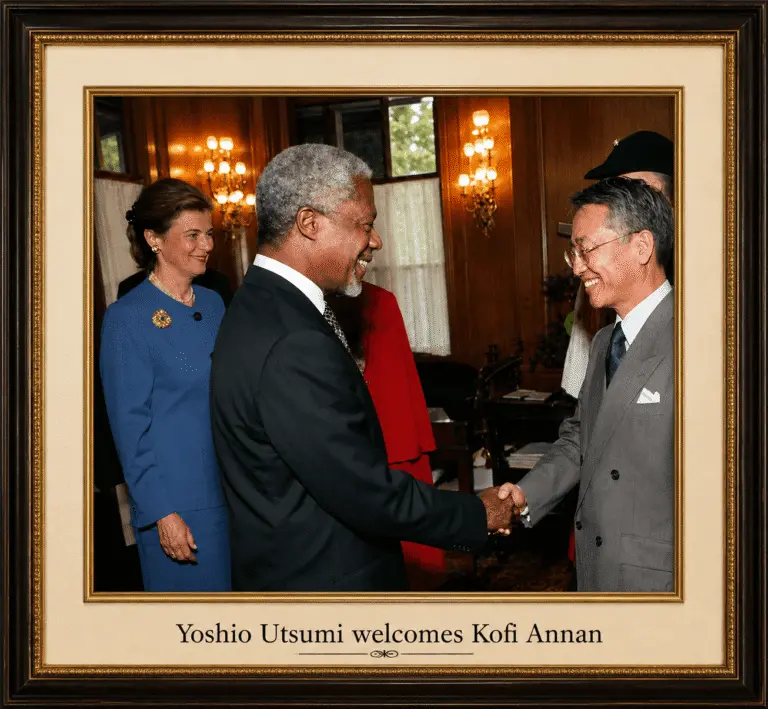
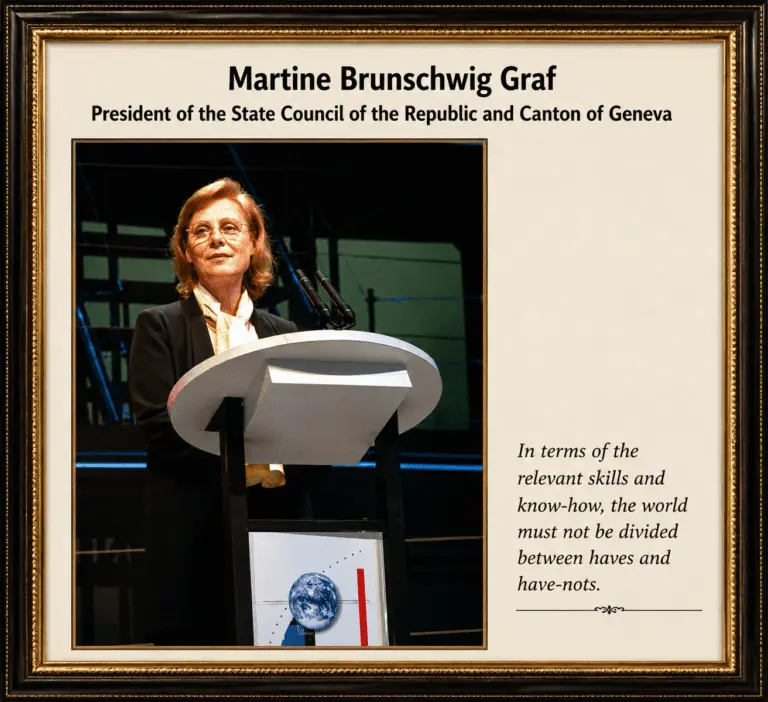
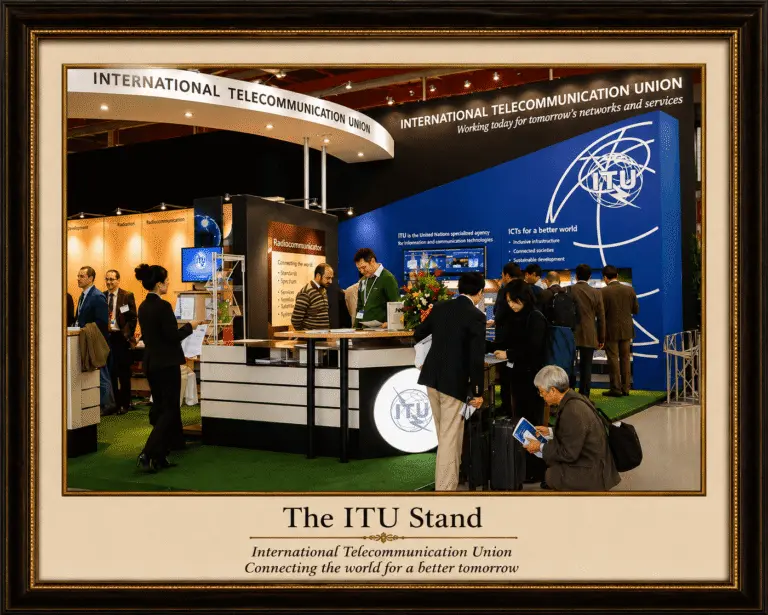
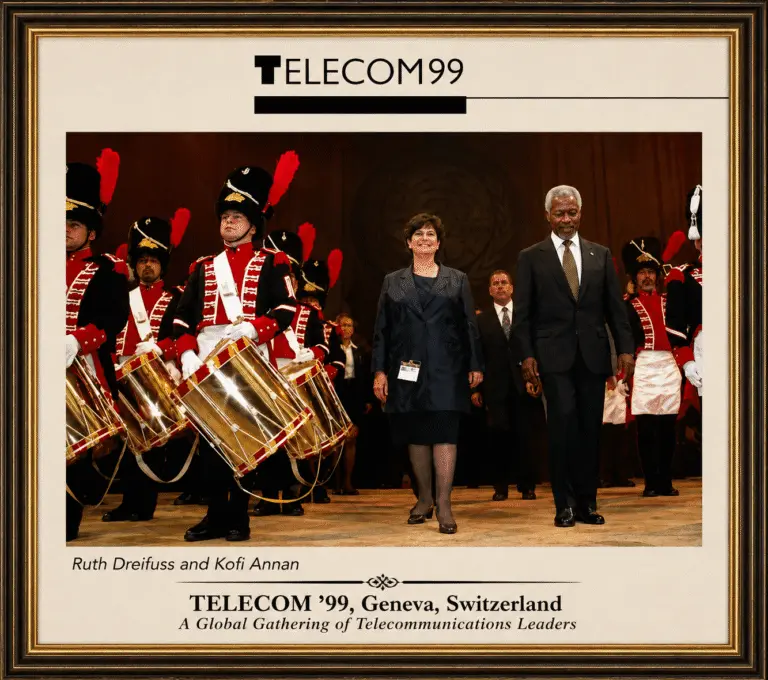
The event attracted top leaders from government Ministers and Ambassadors to Chief Executive Officers (CEO) of front-ranked market players, as well as the most respected industry analysts and commentators. More than 4000 people took part in the Forum programme, which encompassed a total of five summits and a number of combined sessions.
Formation of World Telecom Network (WTN)
The World Telecom Network (WTN) was established in 1999 as a visionary international telecommunications initiative conceived during ITU Telecom ’99 in Geneva, Switzerland, with the objective of building an independent global carrier network capable of supporting the next generation of international communications. Among the key figures behind this initiative was Ranjit Singh Masuta, whose strategic vision, entrepreneurial leadership, and technical expertise played an important role in shaping the foundation of WTN. Working alongside an experienced international team, he contributed to the development of a carrier-grade infrastructure designed to interconnect telecom operators across multiple countries, reducing dependence on traditional incumbent networks while delivering faster, more reliable, and cost-effective global connectivity. WTN combined advanced switching technologies, strategic carrier partnerships, and direct international interconnections to create a seamless telecommunications platform capable of handling large volumes of international voice and data traffic. Officially commencing operations in the fourth quarter of 1999, WTN represented a significant milestone in the evolution of global telecommunications. It reflected the vision of industry pioneers like Ranjit Singh Masuta, whose commitment to innovation, international collaboration, and infrastructure development helped lay the foundation for a modern, interconnected telecom ecosystem that would support businesses and communications worldwide in the new millennium.
-image.webp)
/Formation of World Telecom Network (WTN)_img1.webp)
/Formation of World Telecom Network (WTN)_img2.webp)
/Formation of World Telecom Network (WTN)_img3.webp)
/Formation of World Telecom Network (WTN)_img4.webp)
/Formation of World Telecom Network (WTN)_img5.webp)
/Formation of World Telecom Network (WTN)_img6.webp)
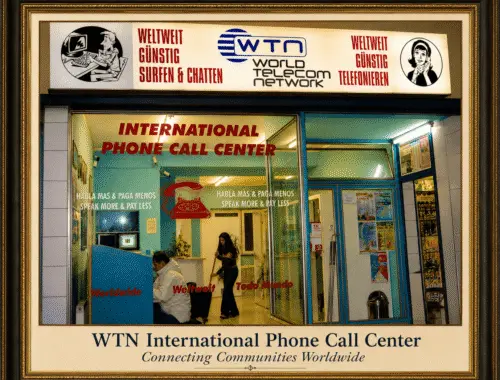

Global Line — The Legacy of Global Connectivity
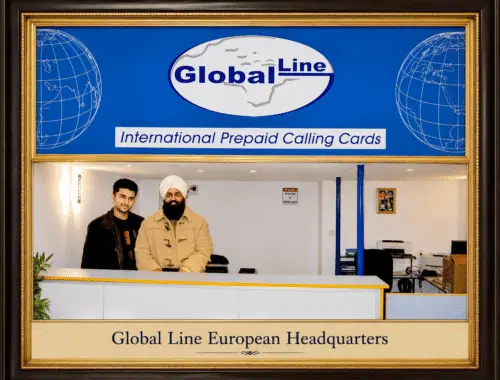
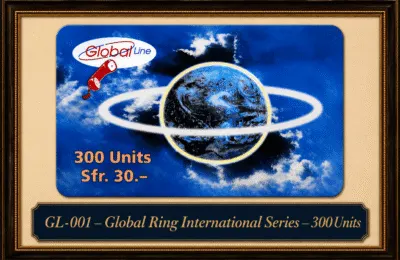
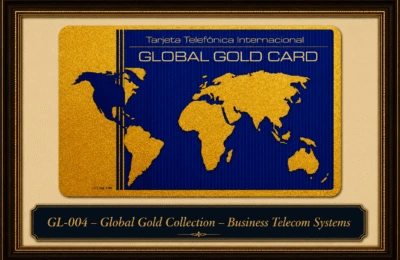
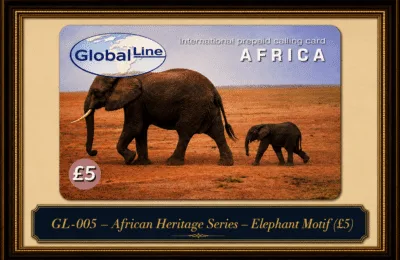
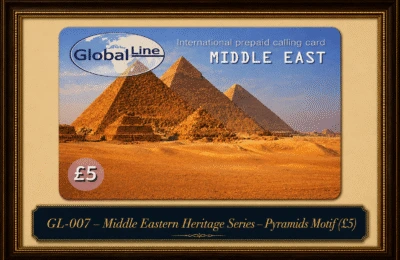
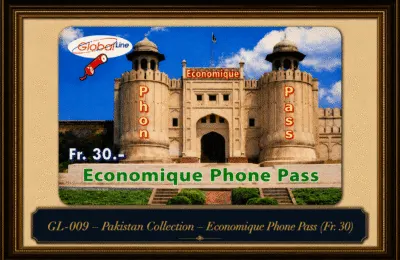
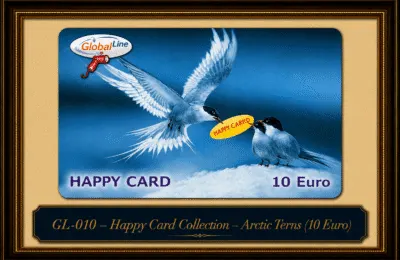
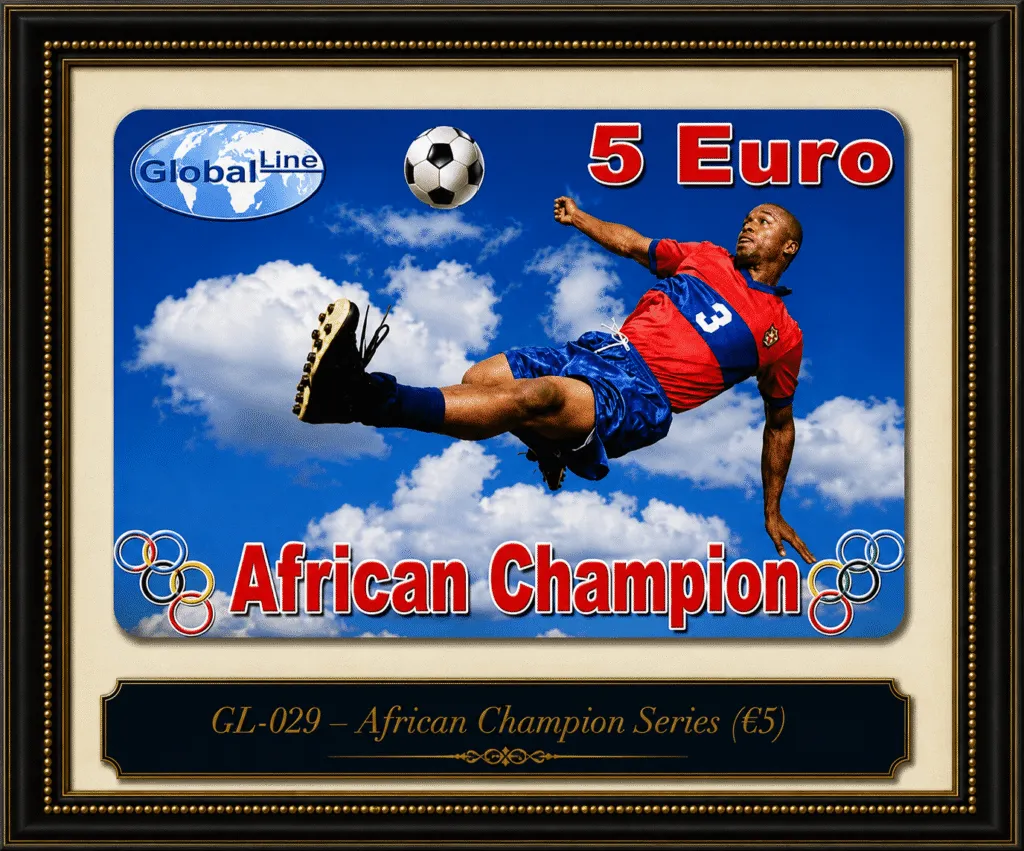
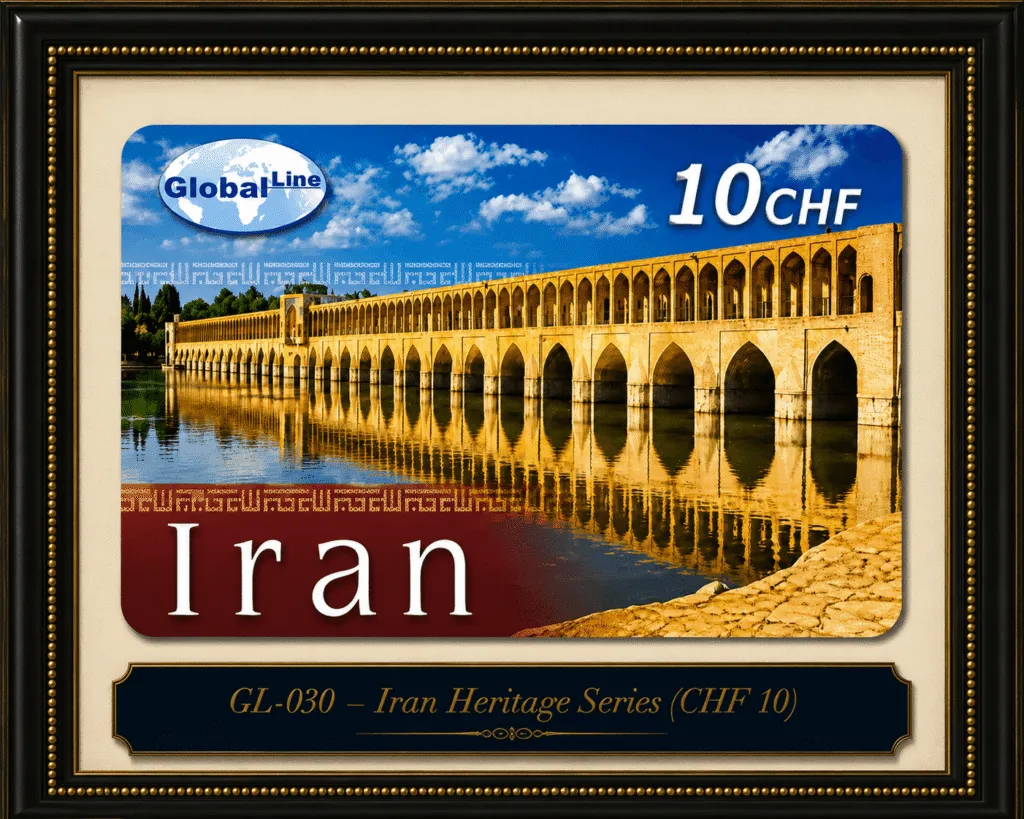
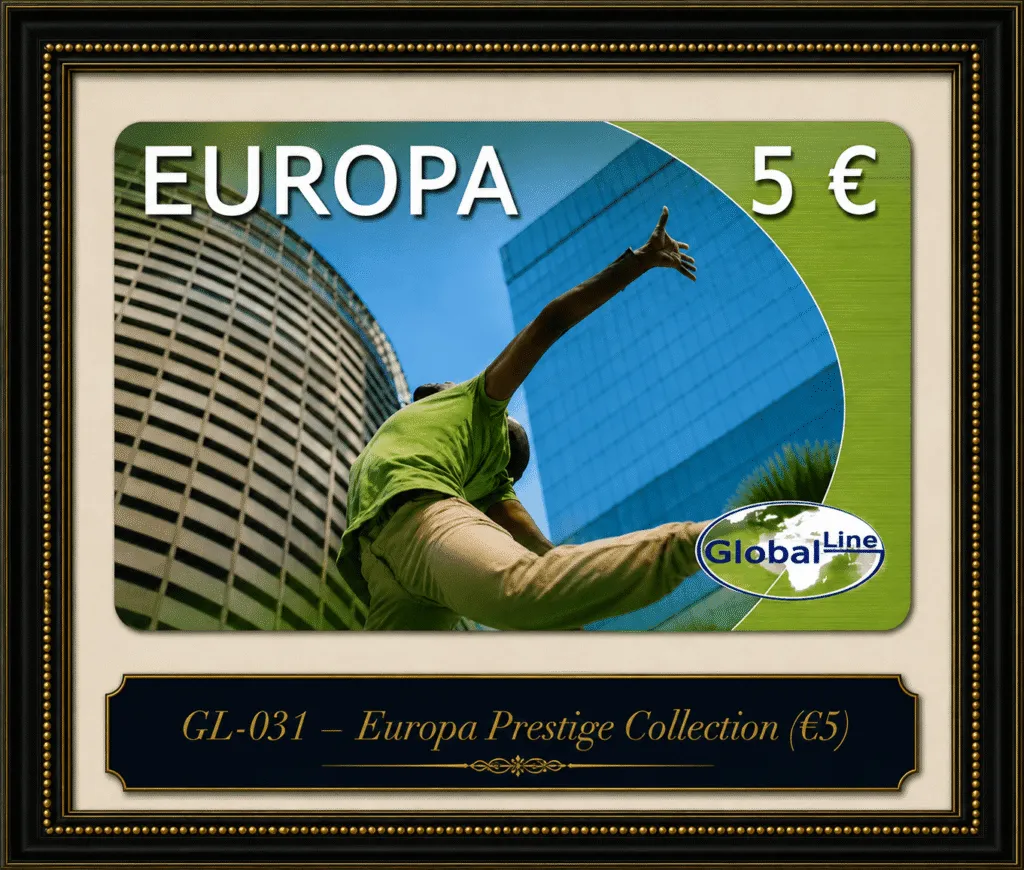
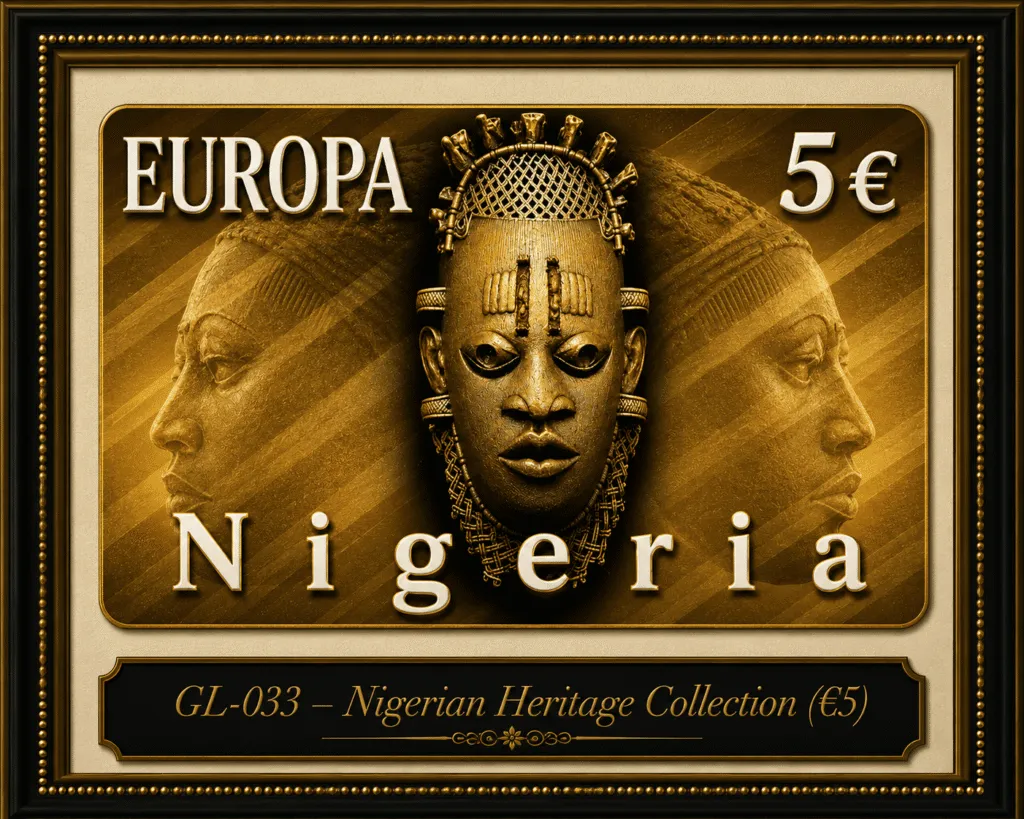
In 1998 Global Line International Prepaid Calling Card brand became a recognized product within the cosmopolitan people, tourist and locals due to its success in Switzerland and post liberalization of telecommunications market in EU the expansion of this calling card product was available by deploying the latest state of the art calling card switching technology and infrastructure within the tele-houses based in France, Germany, Italy, Switzerland and in the UK. The Tele-House Colocation & Interconnections services were provided by Colt Europe and New Telco Germany. The Brand name "Global LINE" Prepaid Calling Card was marketed under the registered company name Global Line GmbH within Switzerland. The identical business model was created by incorporating the companies in Austria, Belgium, France, Germany, Greece, Italy, Portugal, Spain, UK and also by signing sales & purchase agreements with third party retail outlets to distribute the brand across Europe.
Global Line Calling Cards Collection I
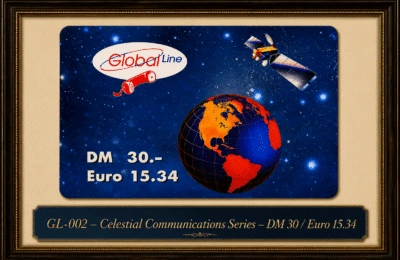



Global Line Calling Cards Collection II

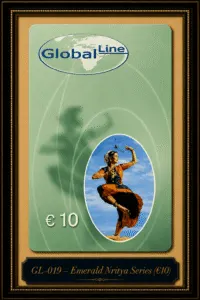
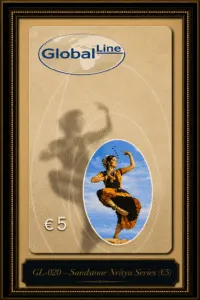
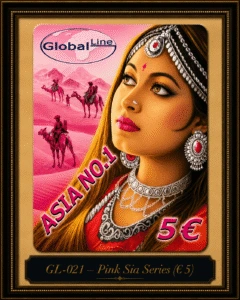

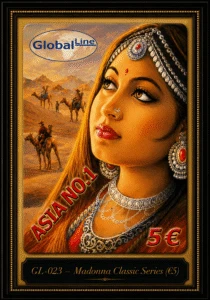



Global Line Calling Cards Collection III



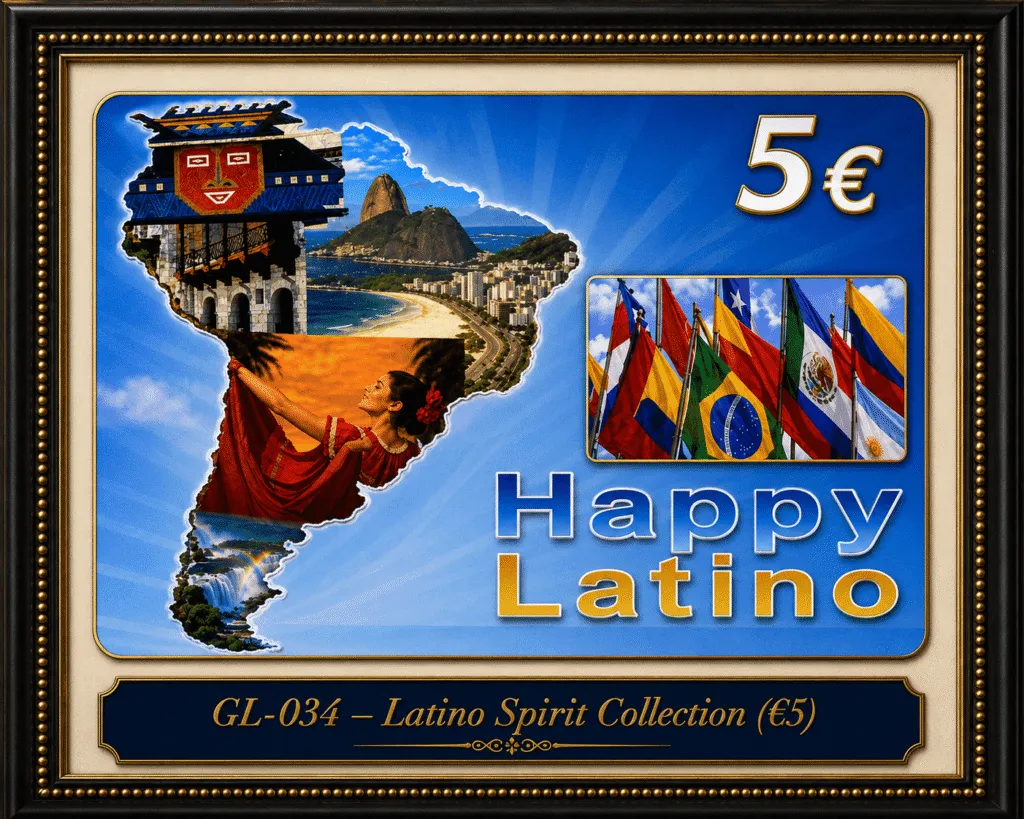

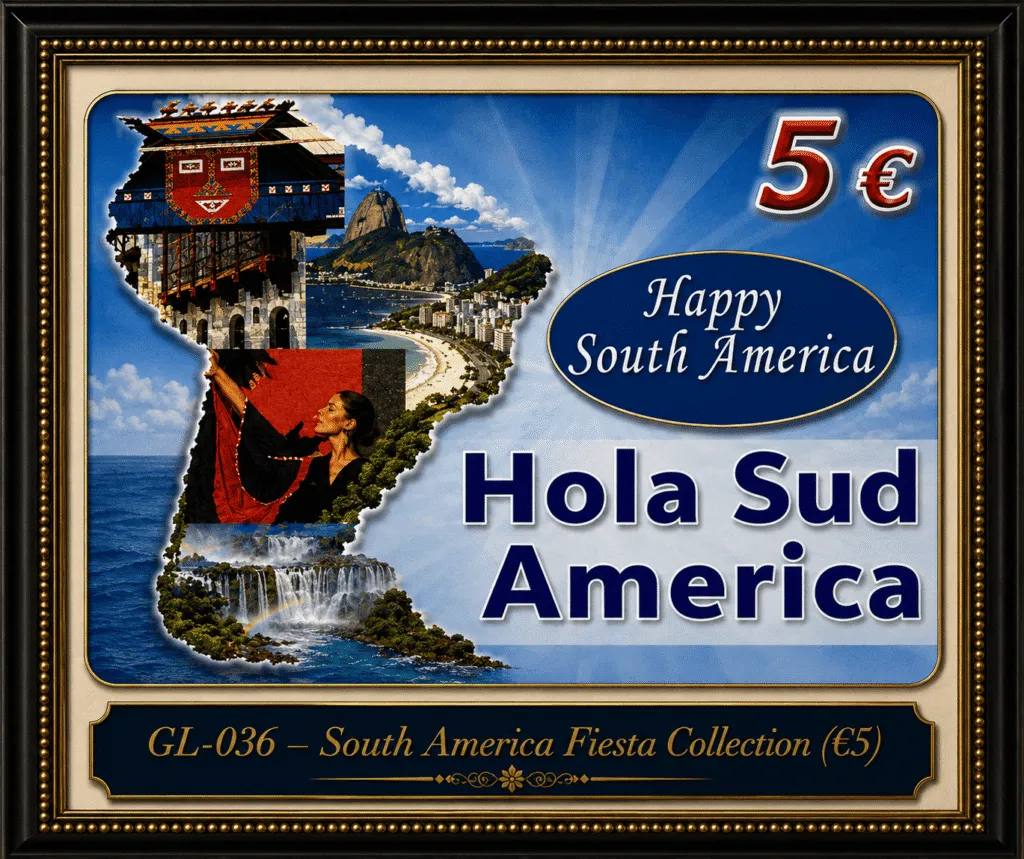
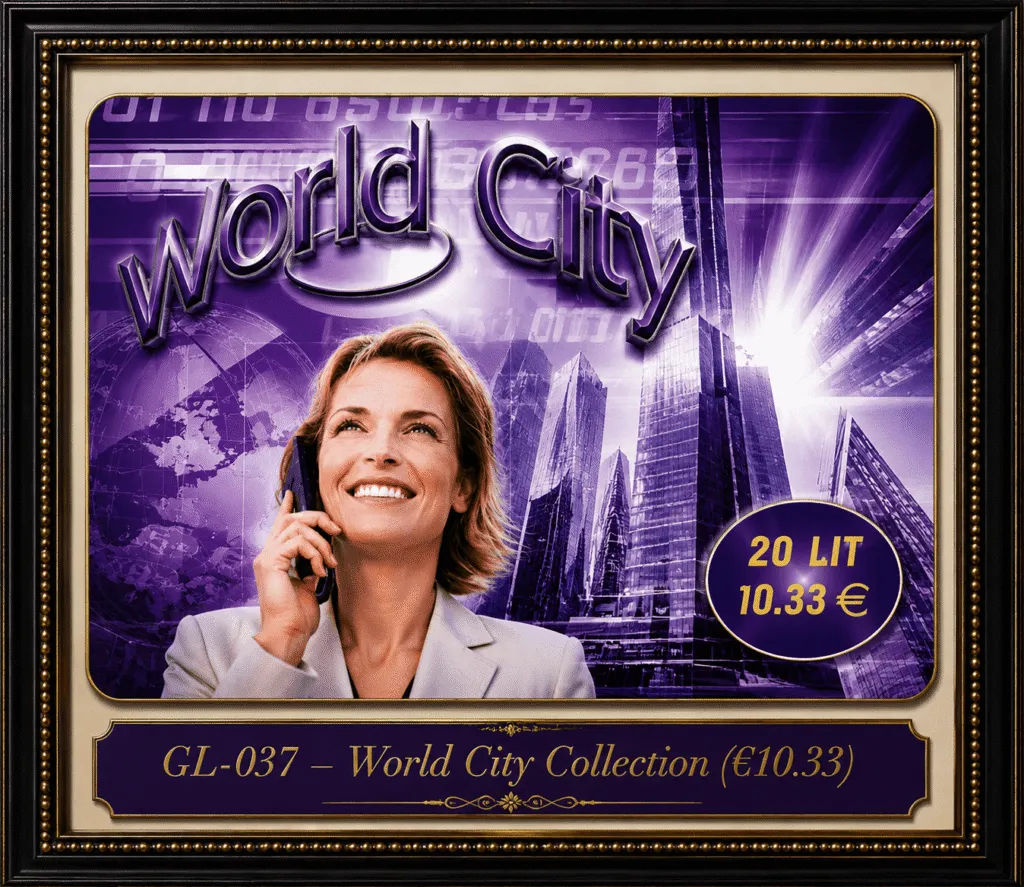
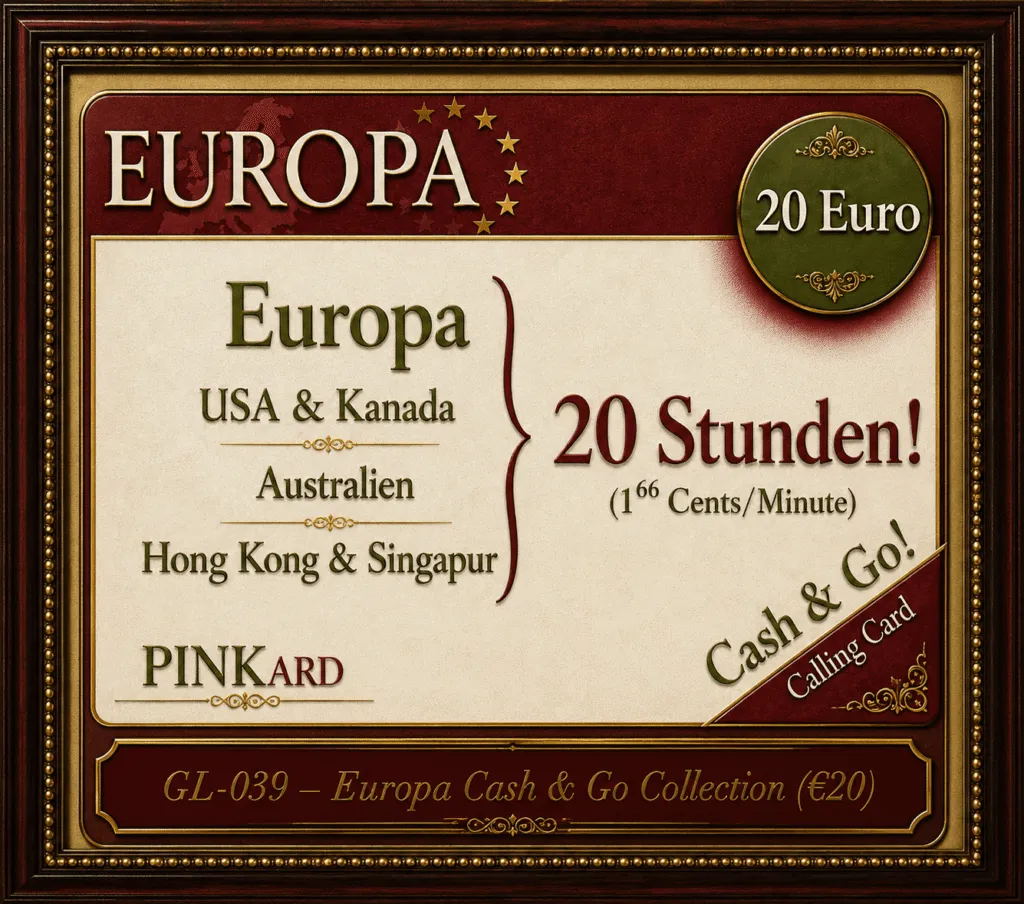
From Calling Cards to (MVNO) Mobile Connectivity
 Mobile Connectivity/From Calling Cards global holding ag.webp)
 Mobile Connectivity/From Calling Cards global line.webp)
 Mobile Connectivity/From Calling Cards img.webp)
 Mobile Connectivity/geo mobile image.webp)
 Mobile Connectivity/mobile 1 image.webp)
Telecom Infrastructure and Services — Network Operational Centre
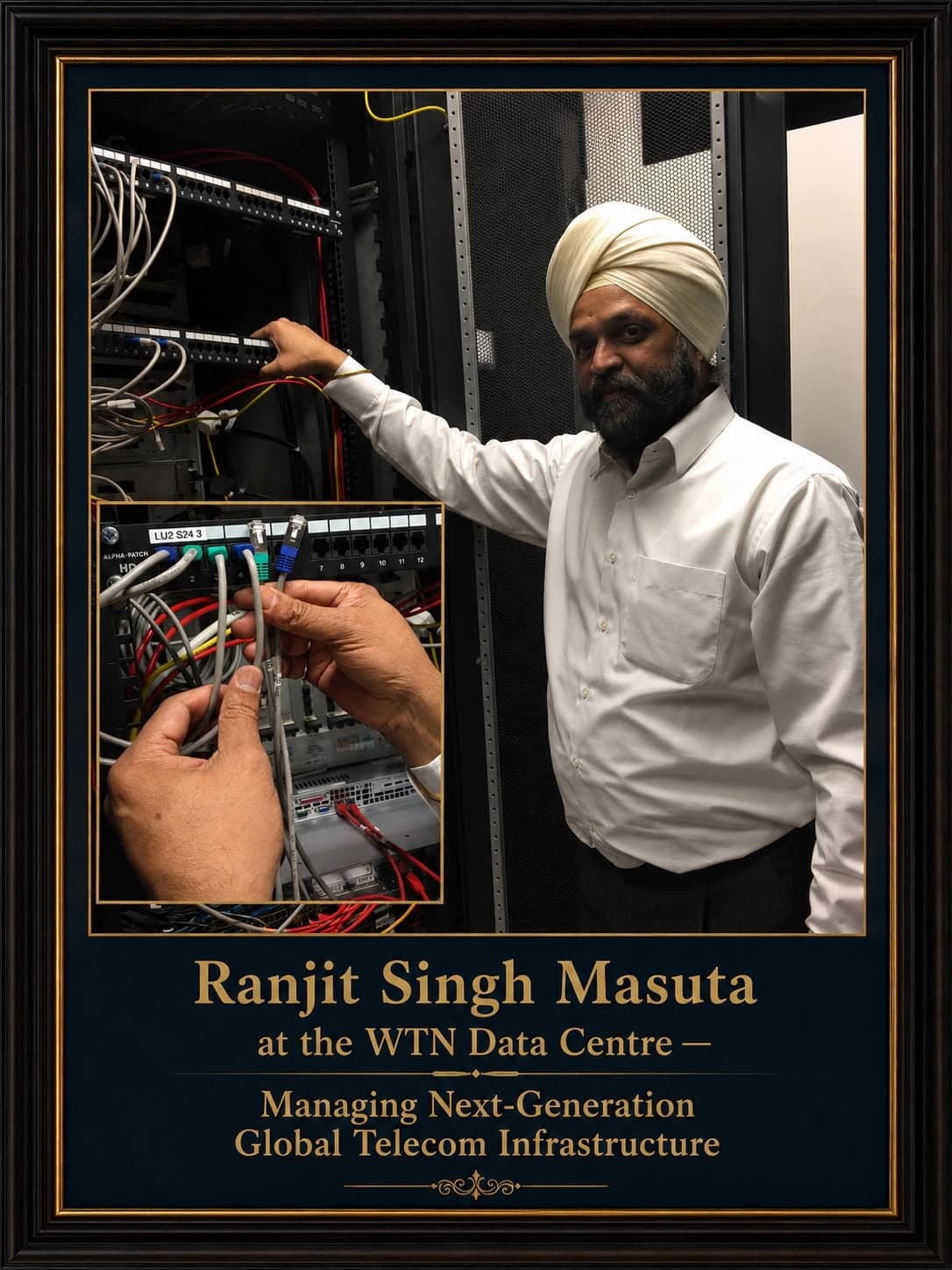
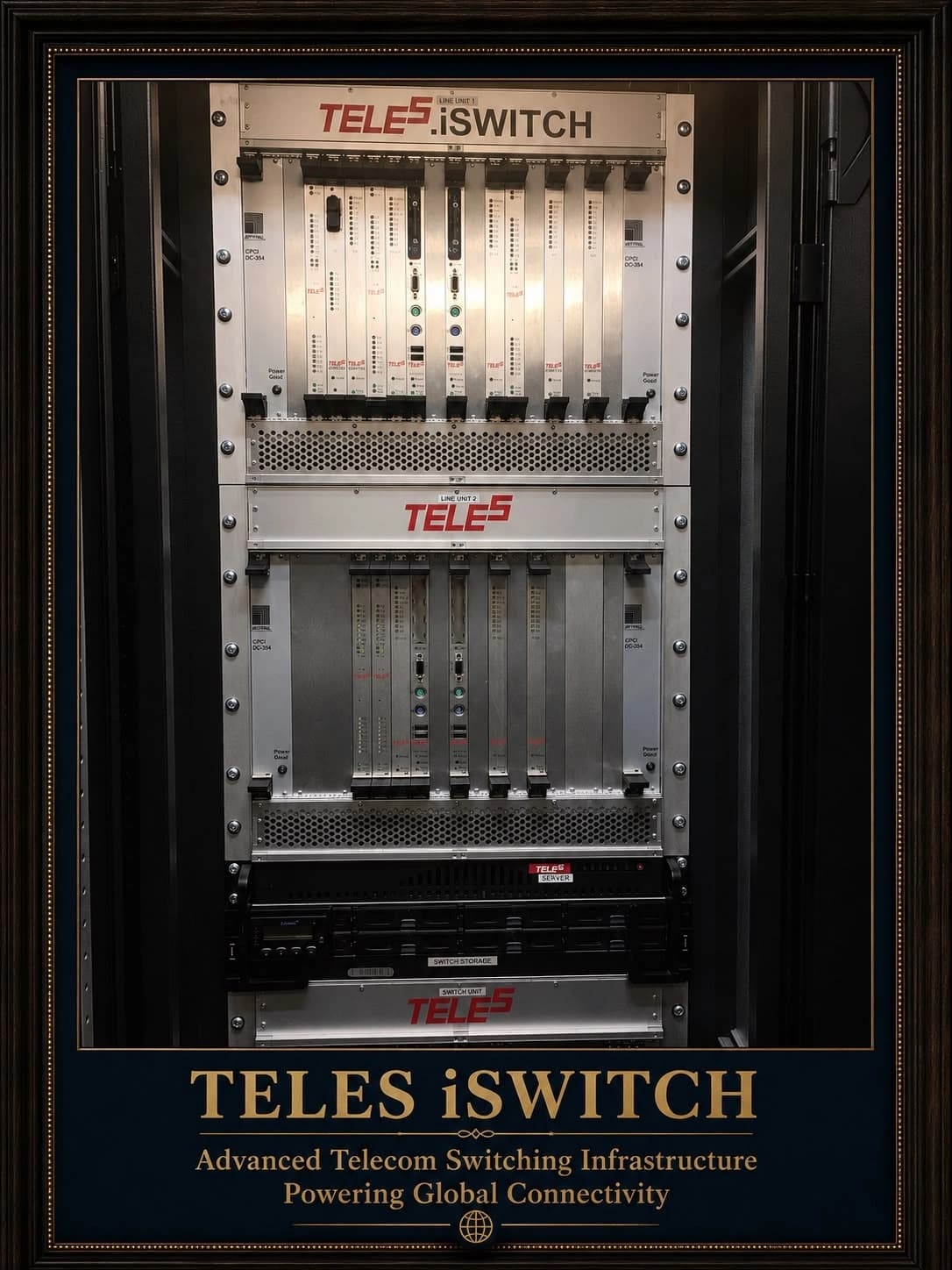
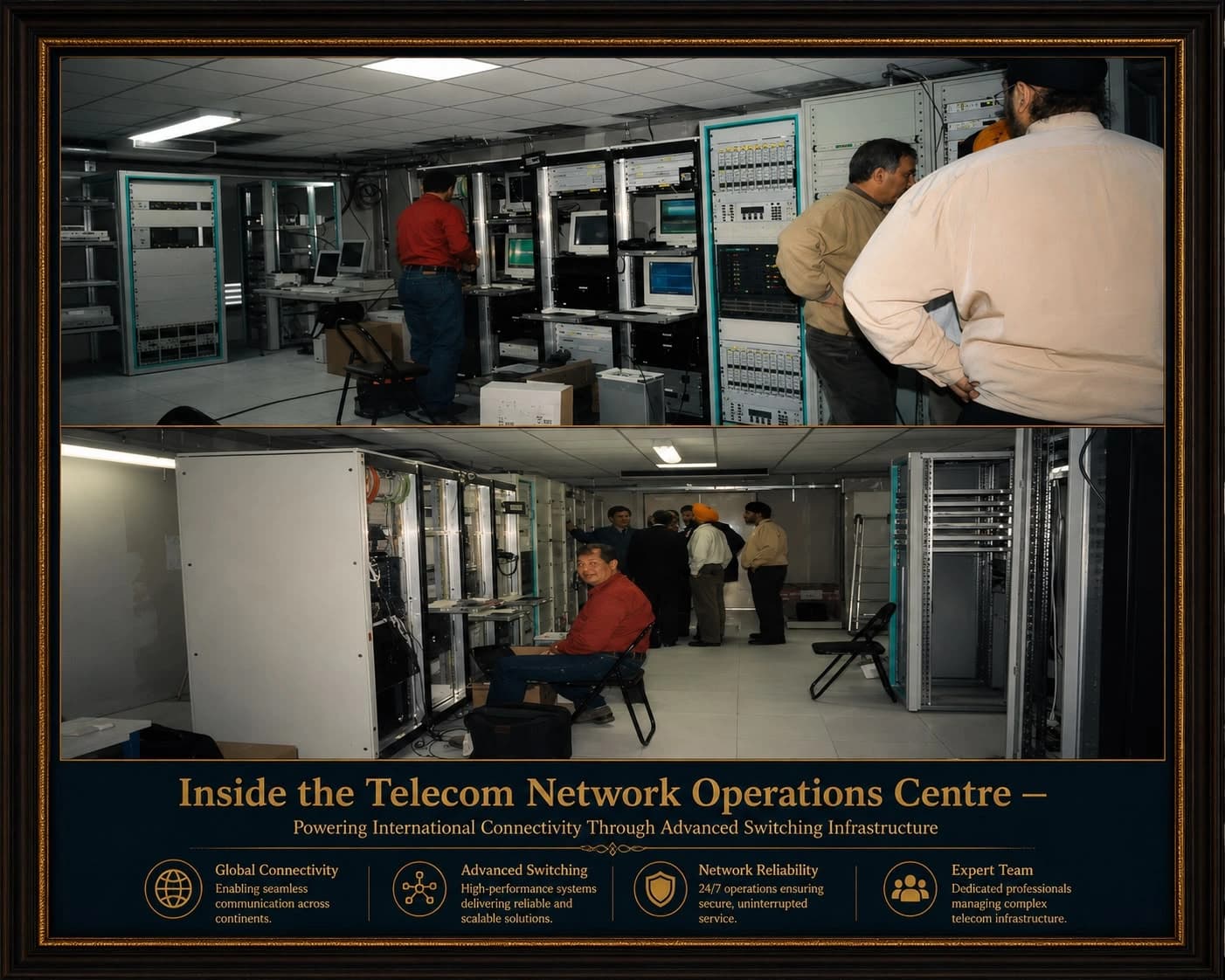
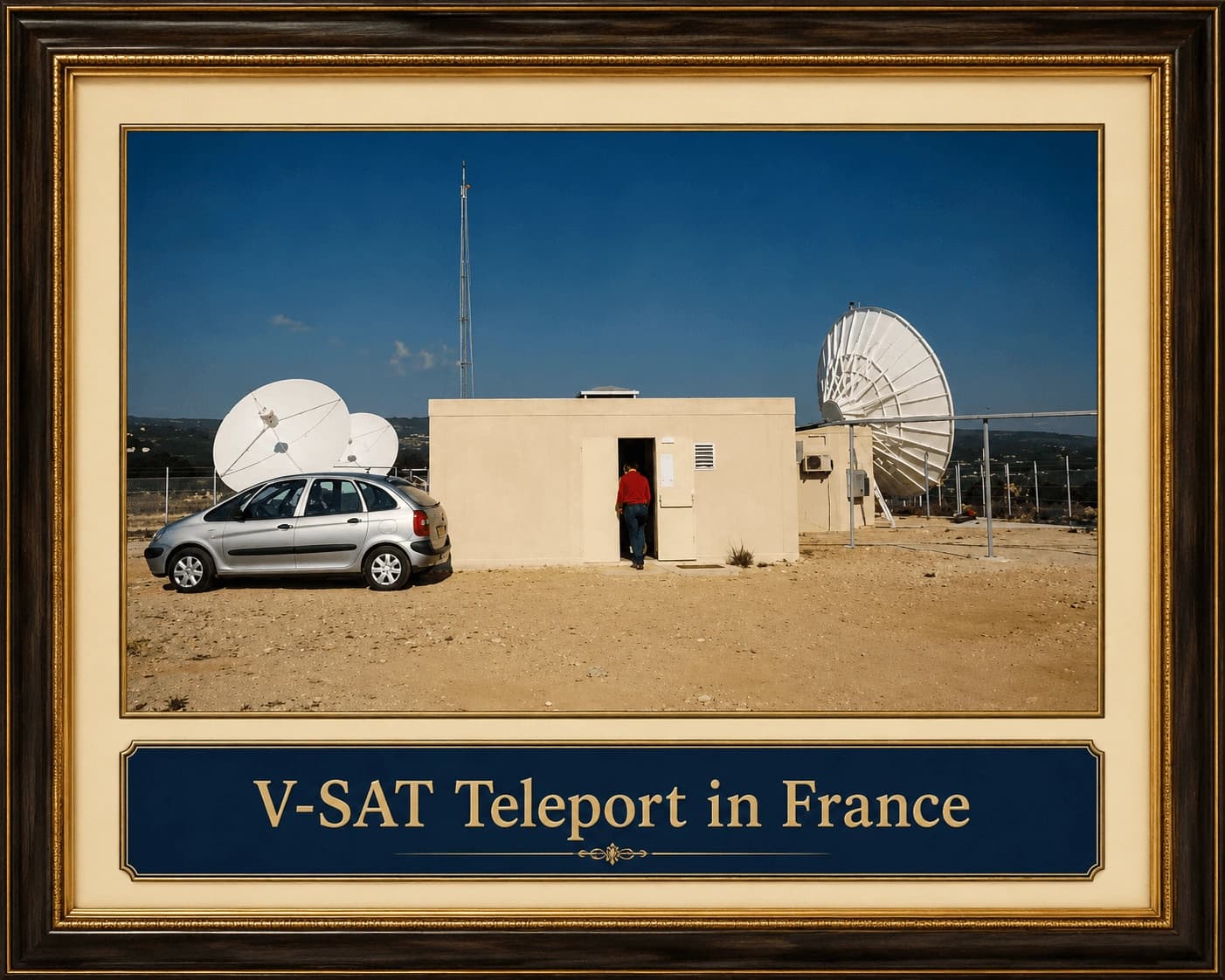
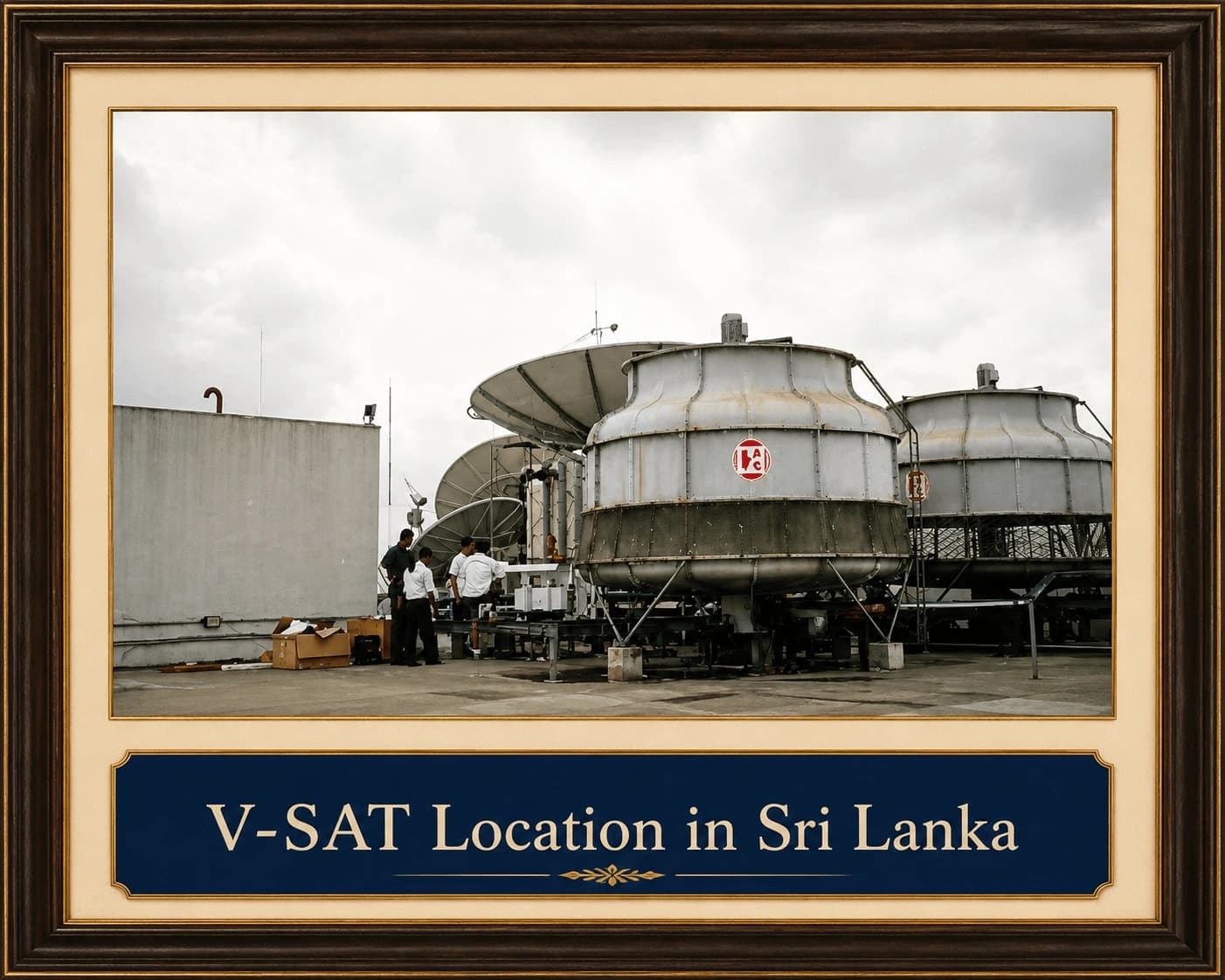
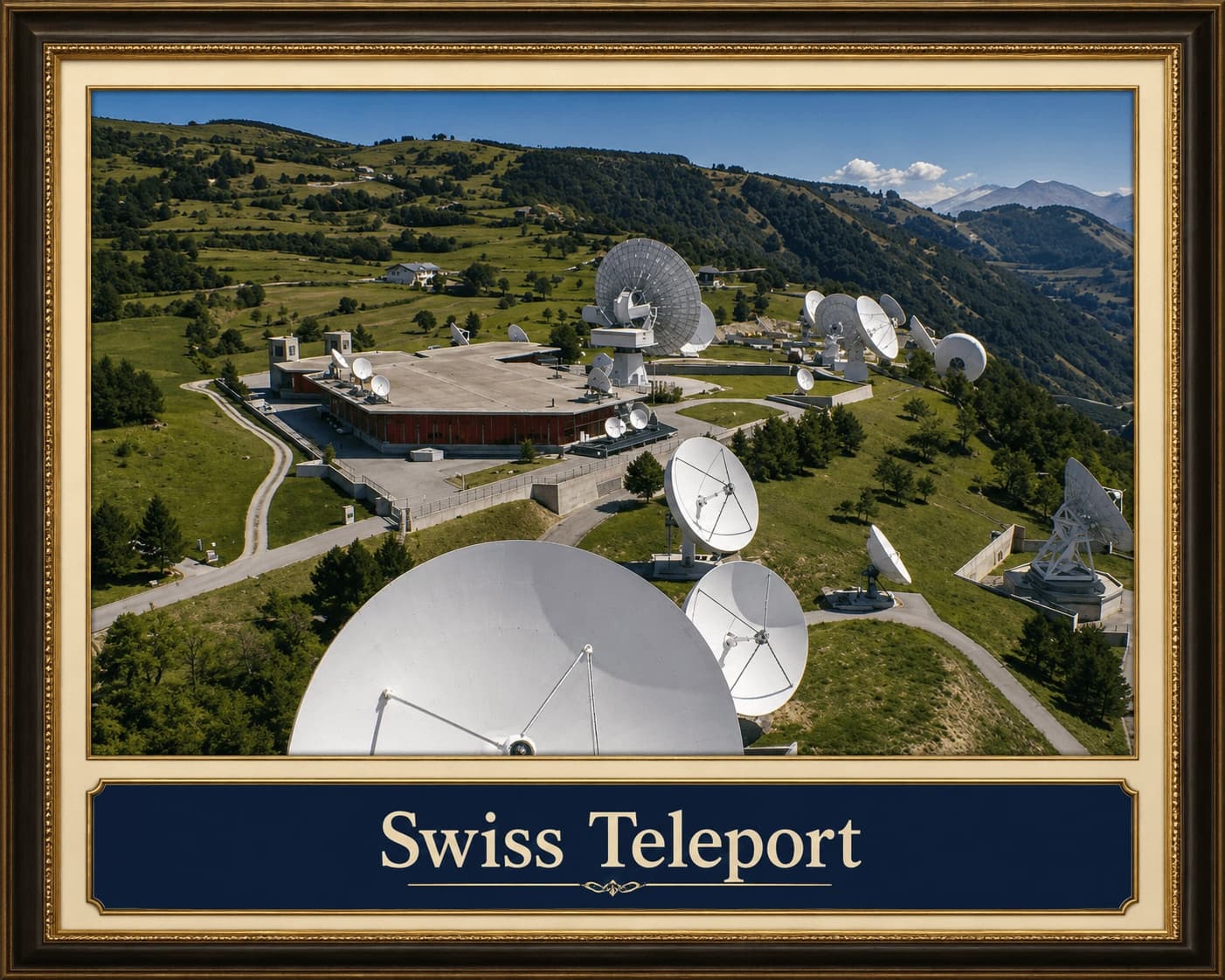
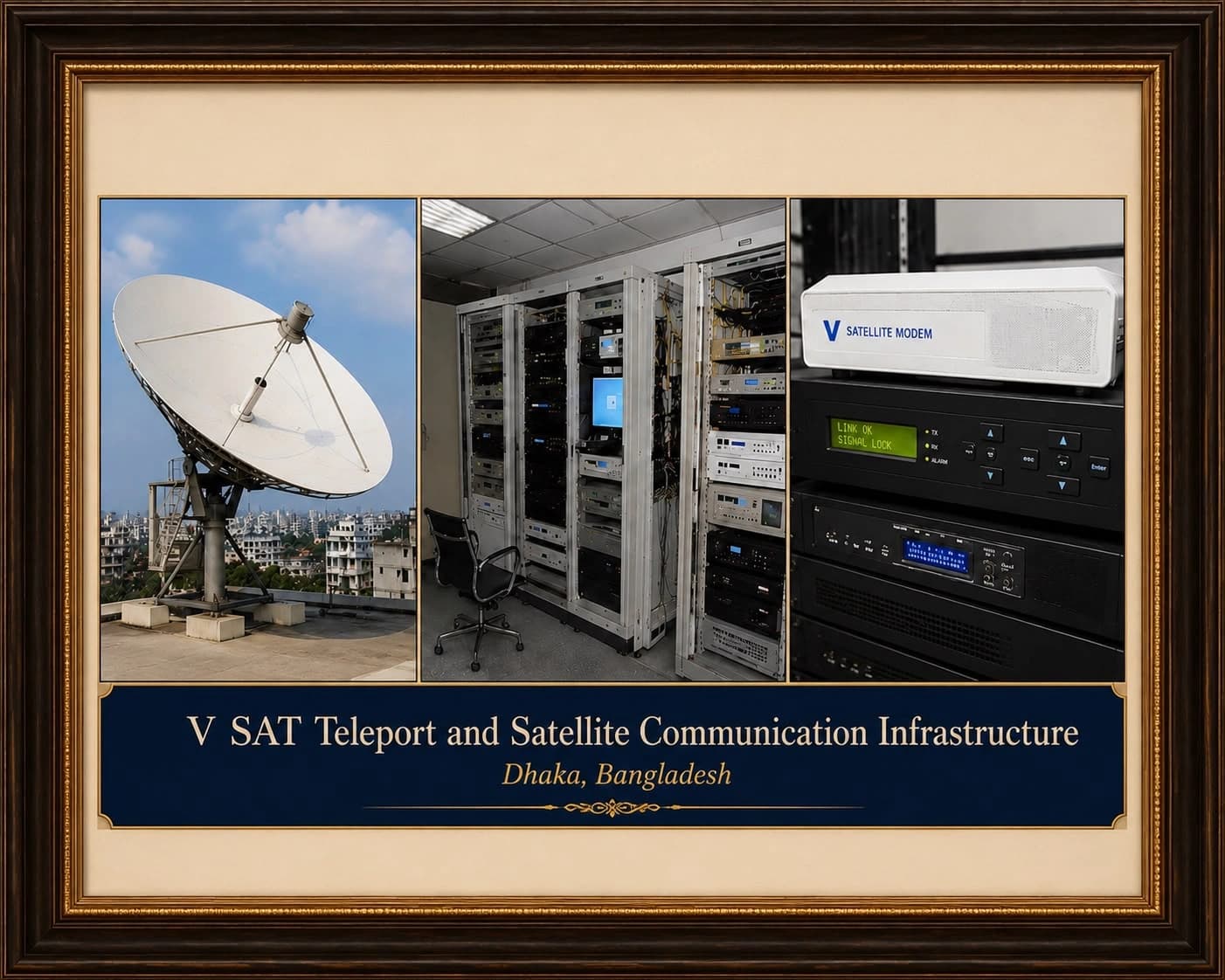
World Telecom Network provided telecom services to hard to reach destinations by building its own Pops in Africa, Asia, LATAM region and these V-Sat pops were connected via teleports which were located in France, Germany and Switzerland. Due to its next generation telecom infrastructure model, WTN was able to trade in retail, wholesale minutes and SMS. This project was successful by entering into partnership with Gen-Sat France & Red Cube Switzerland
GEO Mobile - Connecting the World Beyond Borders
Founded in 2010 by Ranjit Singh Masuta, GEO Mobile was established as an international mobile telecommunications brand with a clear vision: to simplify global mobile connectivity through innovation, intelligent technology and worldwide accessibility. Built upon the telecommunications expertise of GEO Communication, GEO Mobile introduced advanced Multi IMSI technology, enabling seamless international roaming and reliable mobile connectivity across more than 180 countries.
Through strategic partnerships with international mobile network operators, the brand provided flexible communication solutions for business professionals, international travellers and globally connected communities. Operating as a Liechtenstein-based Mobile Virtual Network Operator (MVNO), GEO Mobile combined European telecommunications standards with a worldwide network of carrier relationships to deliver dependable voice, messaging and mobile data services across international borders.
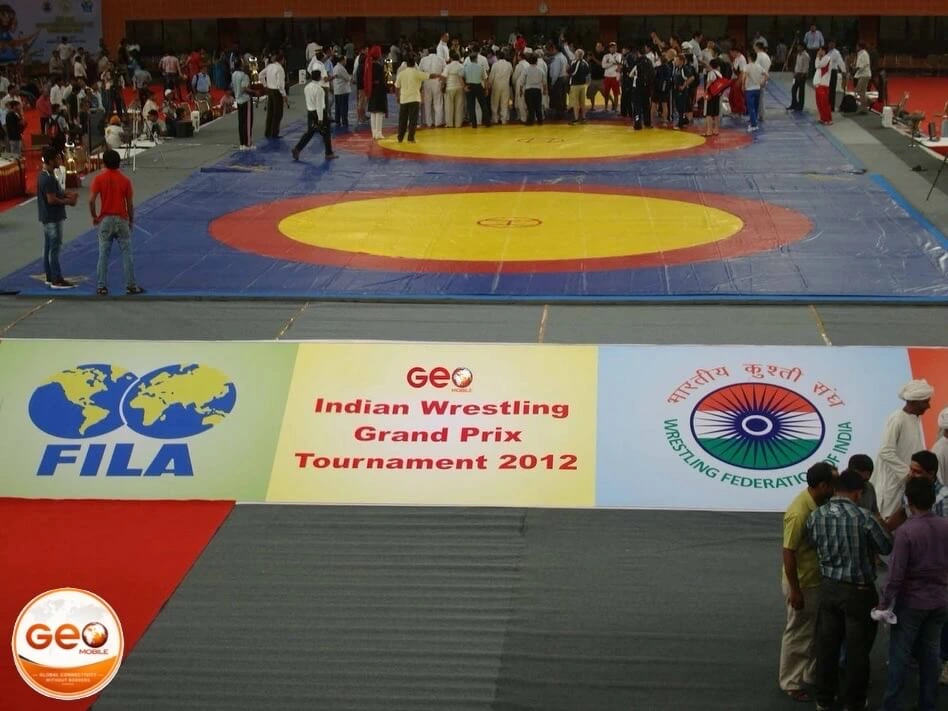
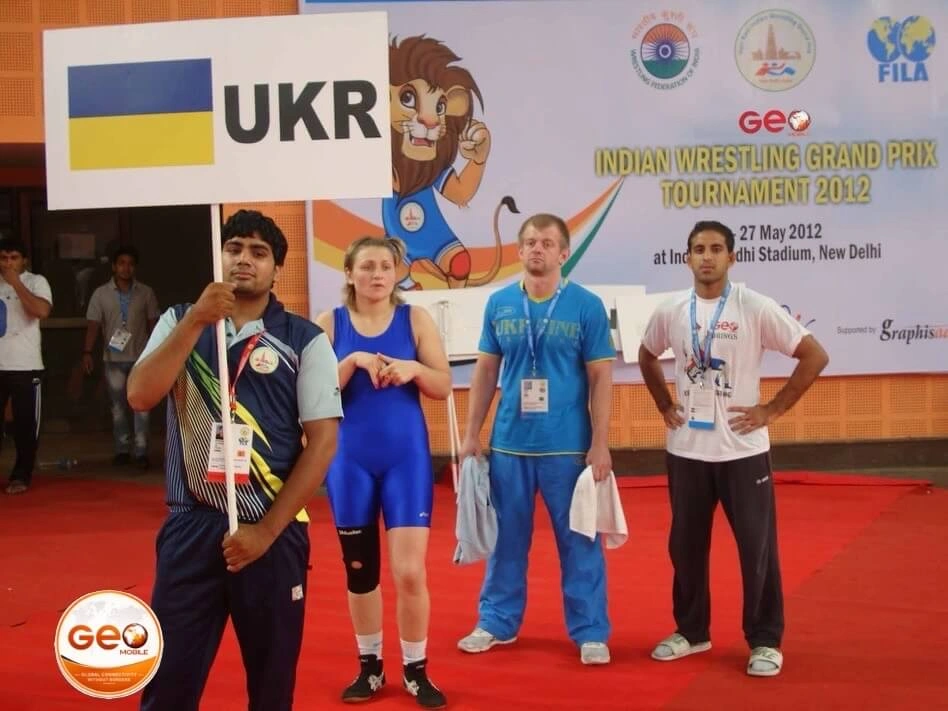
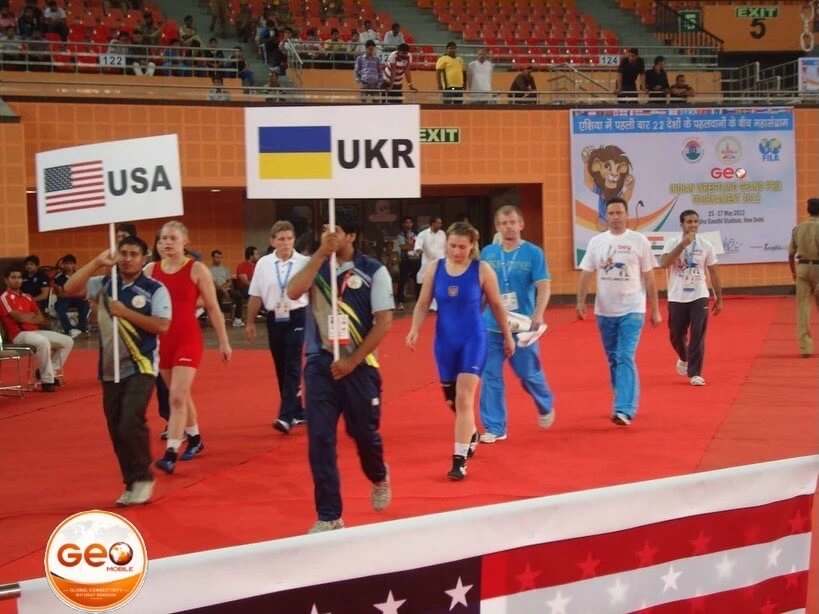
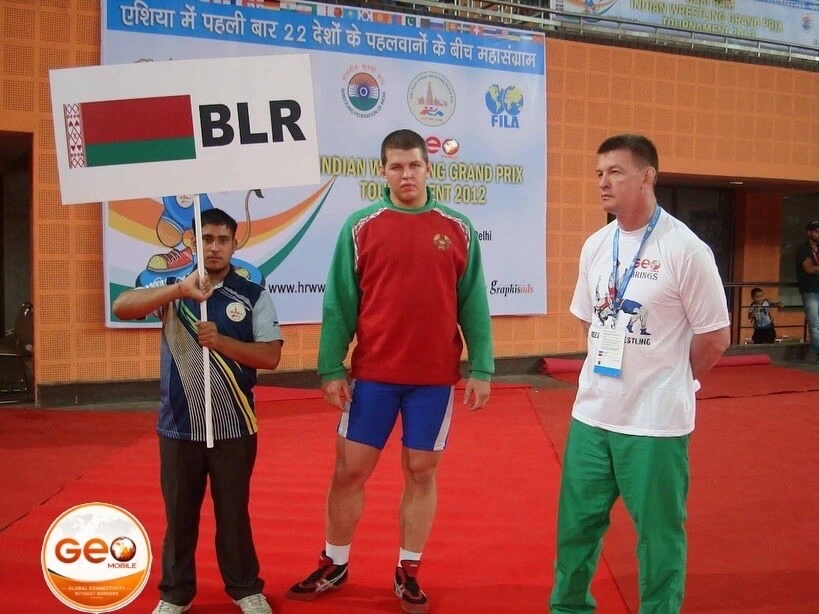
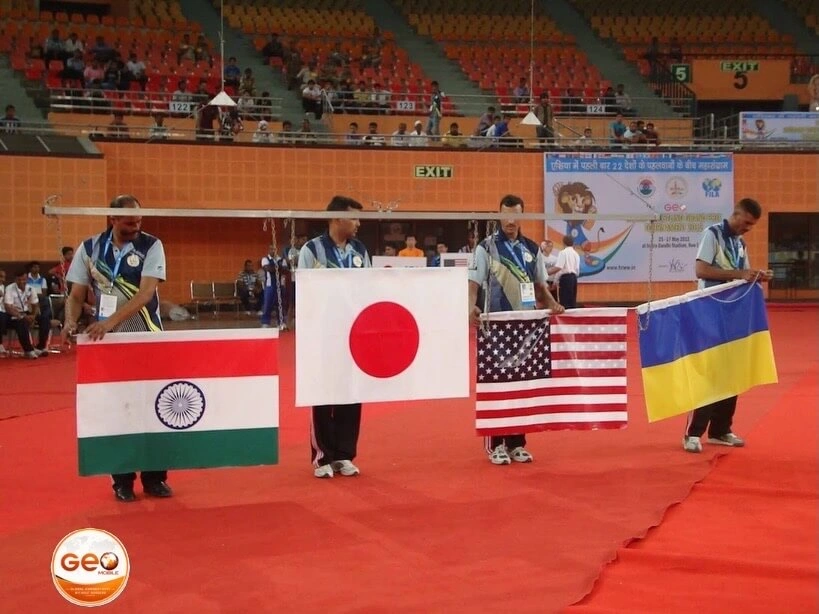
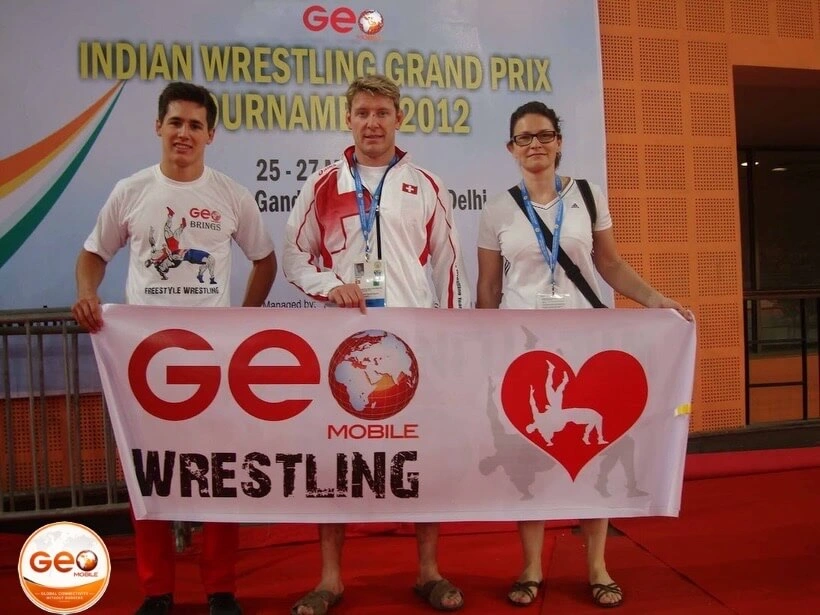
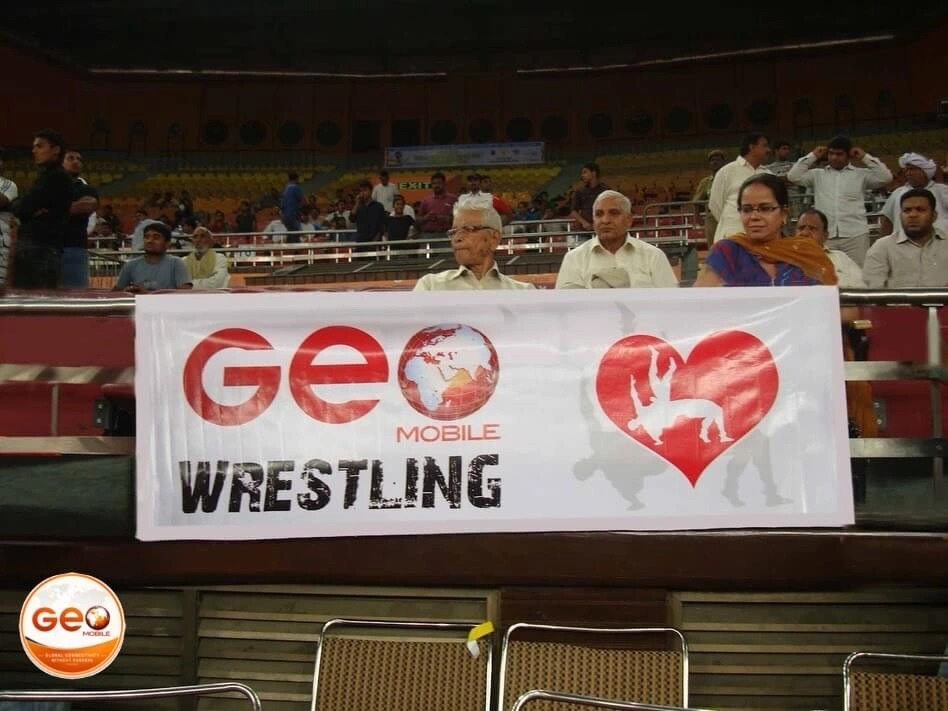
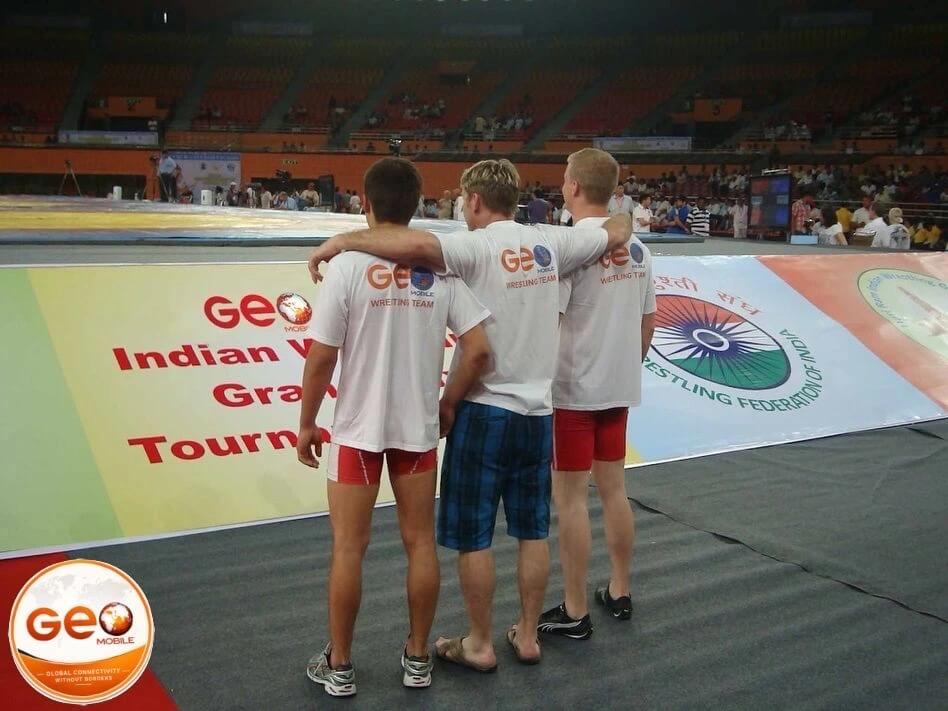
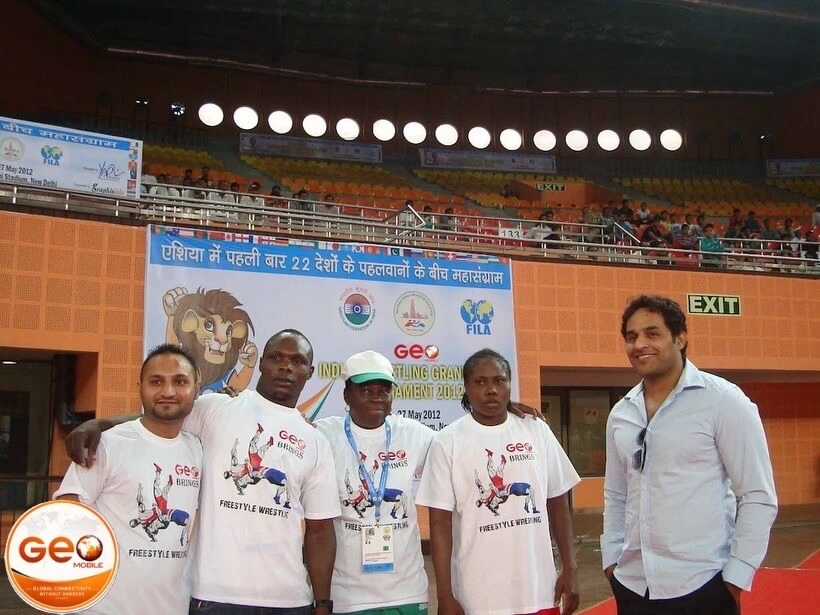
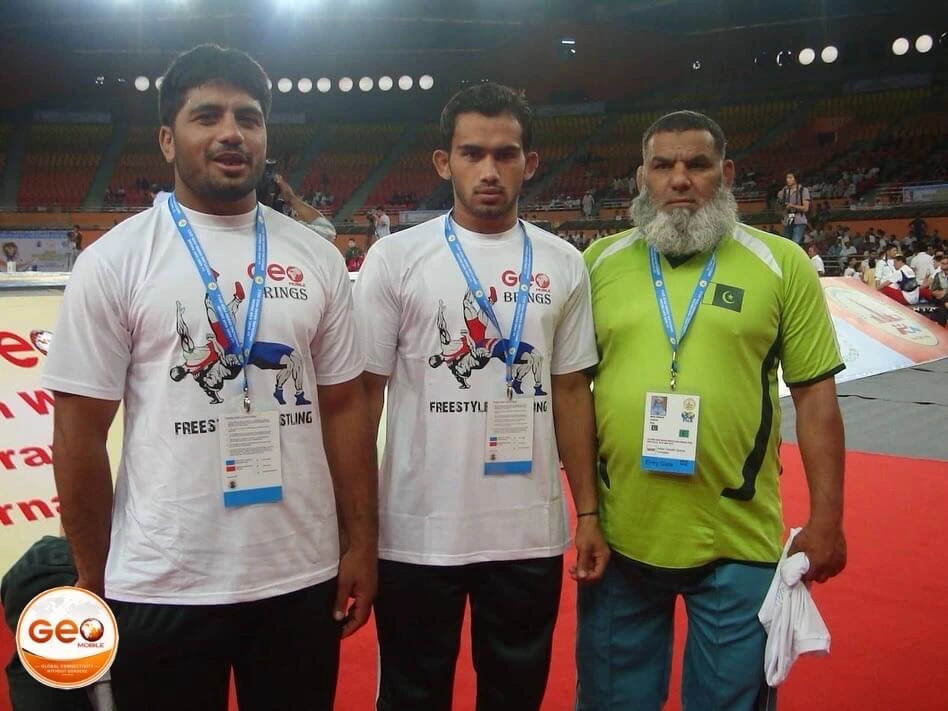
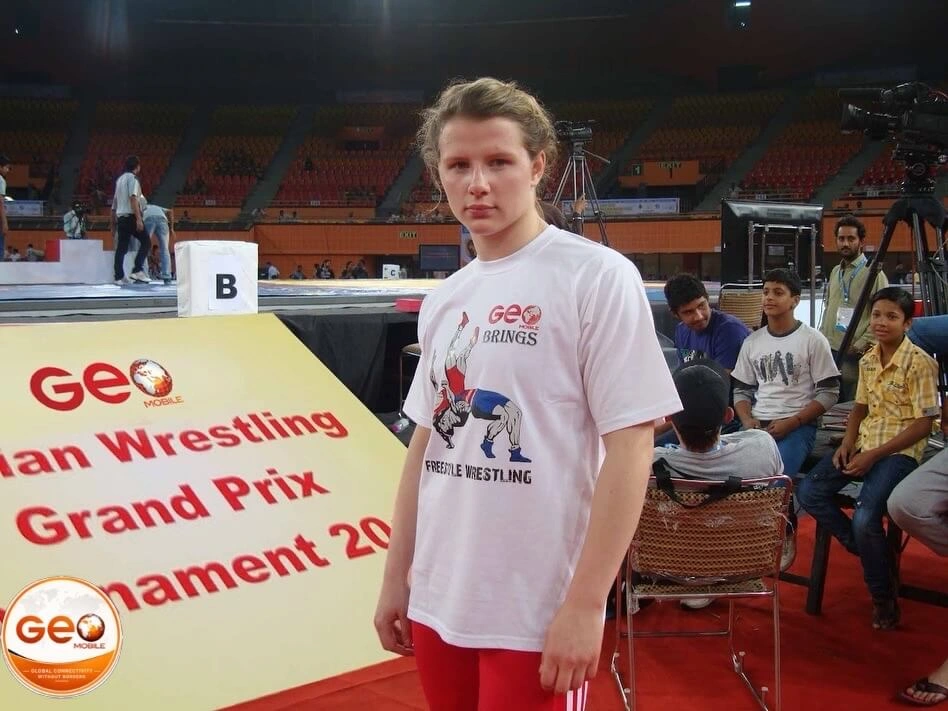
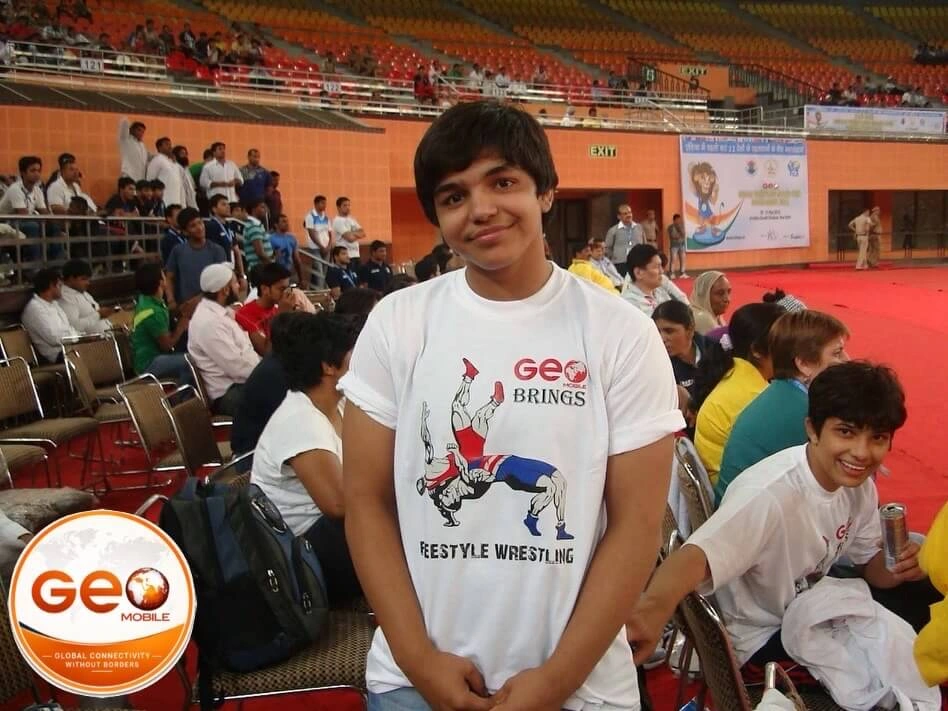
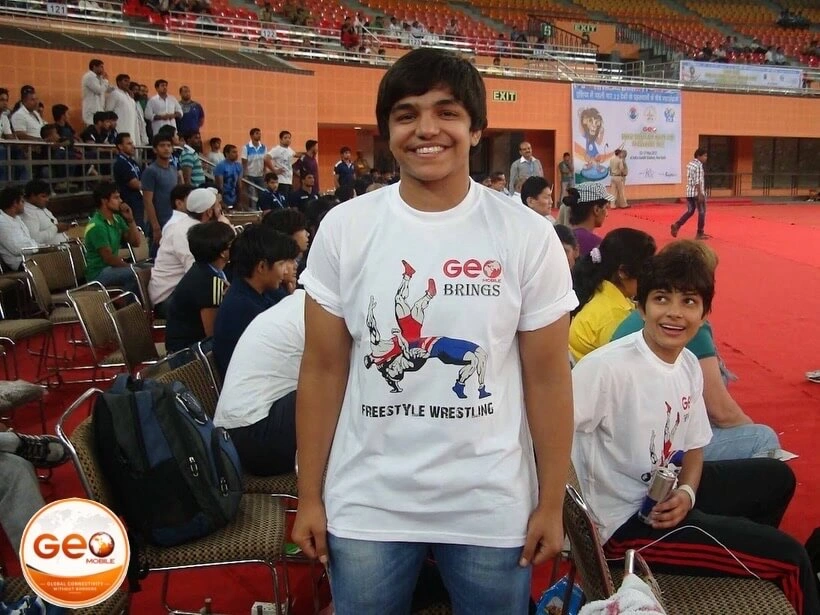
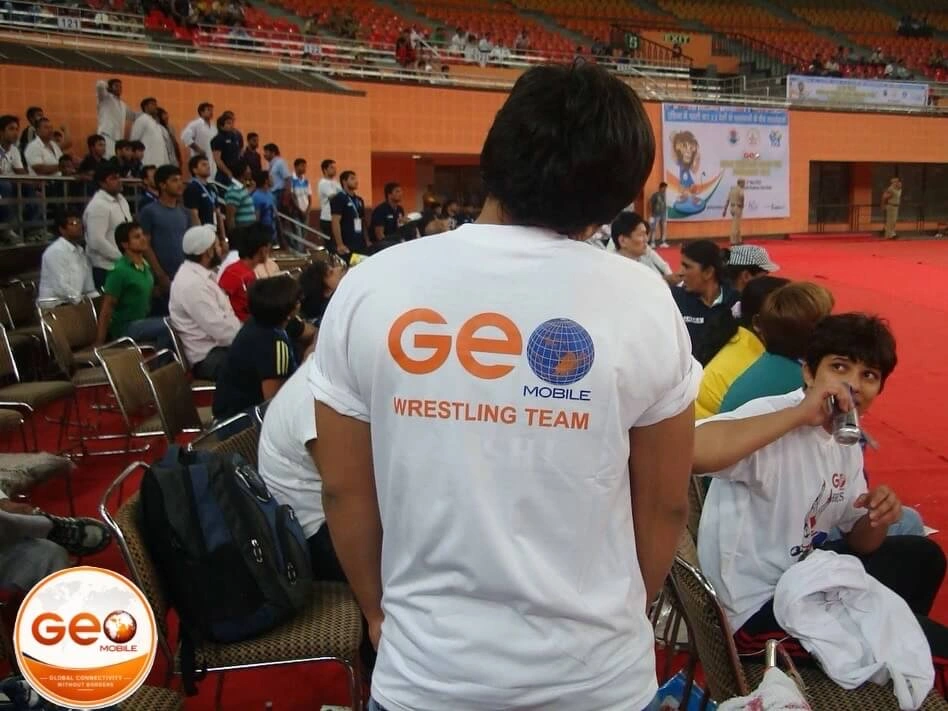
Beyond telecommunications, GEO Mobile expanded its global presence through strategic international initiatives, including its partnership with the Indian Wrestling Grand Prix, where the brand supported one of the world’s leading international wrestling championships. This reflected GEO Mobile’s commitment to building meaningful global relationships through technology, sport and international collaboration.
Driven by innovation and long-term vision, GEO Mobile represented more than a mobile communications brand. It became part of a broader telecommunications ecosystem dedicated to connecting people, businesses and communities across continents through reliable, intelligent and globally accessible mobile services. Today, GEO Mobile remains an important chapter in the international telecommunications journey of Ranjit Singh Masuta, reflecting a vision of worldwide connectivity, technological innovation and global mobility.
.webp)
.webp)
.webp)
.webp)
.webp)
.webp)
.webp)
.webp)
.webp)
.webp)
.webp)
.webp)
.webp)
.webp)
.webp)
.webp)
.webp)
.webp)
.webp)
.webp)
.webp)
.webp)
.webp)
.webp)
.webp)
.webp)
.webp)
Indian Wrestling Grand Prix 2012
Where Sport United Nations and Partnerships Created Legacy
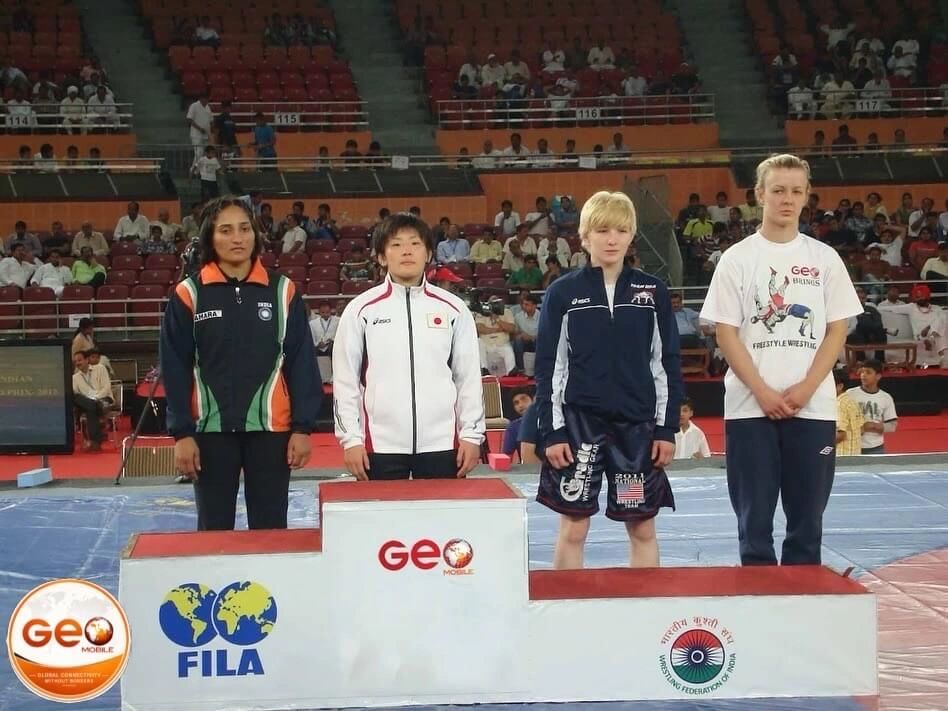
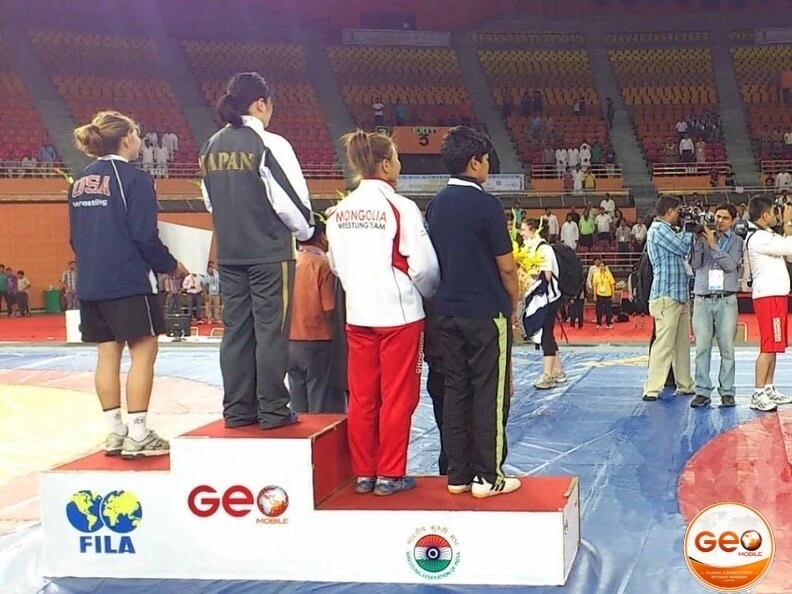
The Indian Wrestling Grand Prix 2012 brought together some of the world’s finest wrestlers, national teams, coaches and sporting officials for a championship that celebrated excellence, discipline and international unity. As an international partner, GEO Mobile proudly supported this prestigious event, reflecting the brand’s commitment to building meaningful relationships beyond the telecommunications industry.
The championship served as a platform where athletes from different countries competed with determination, respect and the true spirit of sportsmanship. The official opening ceremony, international delegations, championship bouts and medal presentations showcased the global significance of the tournament. Distinguished officials from the Wrestling Federation of India, including then-President Brij Bhushan Sharan Singh, honoured the winning athletes during the official awards ceremony, recognizing their exceptional performances on the international stage.
Among the memorable moments of the championship was the participation of future Olympic medallists and internationally recognised wrestlers, making the tournament an important milestone in the history of international wrestling. For GEO Mobile, this partnership represented more than sponsorship. It demonstrated the brand’s vision of connecting people, cultures and nations through shared values of excellence, respect and international collaboration.
Today, the photographs, official moments and memories preserved from the Indian Wrestling Grand Prix 2012 stand as a lasting record of GEO Mobile’s international engagement and its contribution to one of the most prestigious wrestling events of its era.




From Modest Beginnings to a Multi-Million Enterprise: Ranjit Singh Masuta
This powerful documentary, recorded by SF1 – Swiss National Television, tells the extraordinary story of a self-made man who turned vision into reality. It captures the remarkable journey of Ranjit Singh Masuta, who through 11 years of relentless hard work, honesty, and fearless entrepreneurship, rose from a single small business to building a business empire exceeding CHF 250 million.
This is not just a story of financial success — it is a story of sacrifice, discipline, faith, and unbreakable determination. Against challenges and uncertainty, he stood firm, guided by belief, values, and perseverance. The documentary reflects how integrity and dedication can transform humble beginnings into historic achievement.
An inspiring testament to what is possible when passion meets purpose — and when hard work is powered by faith and courage.
Moving Worlds Forward